Sapience

Flagship Annual Management Conclave
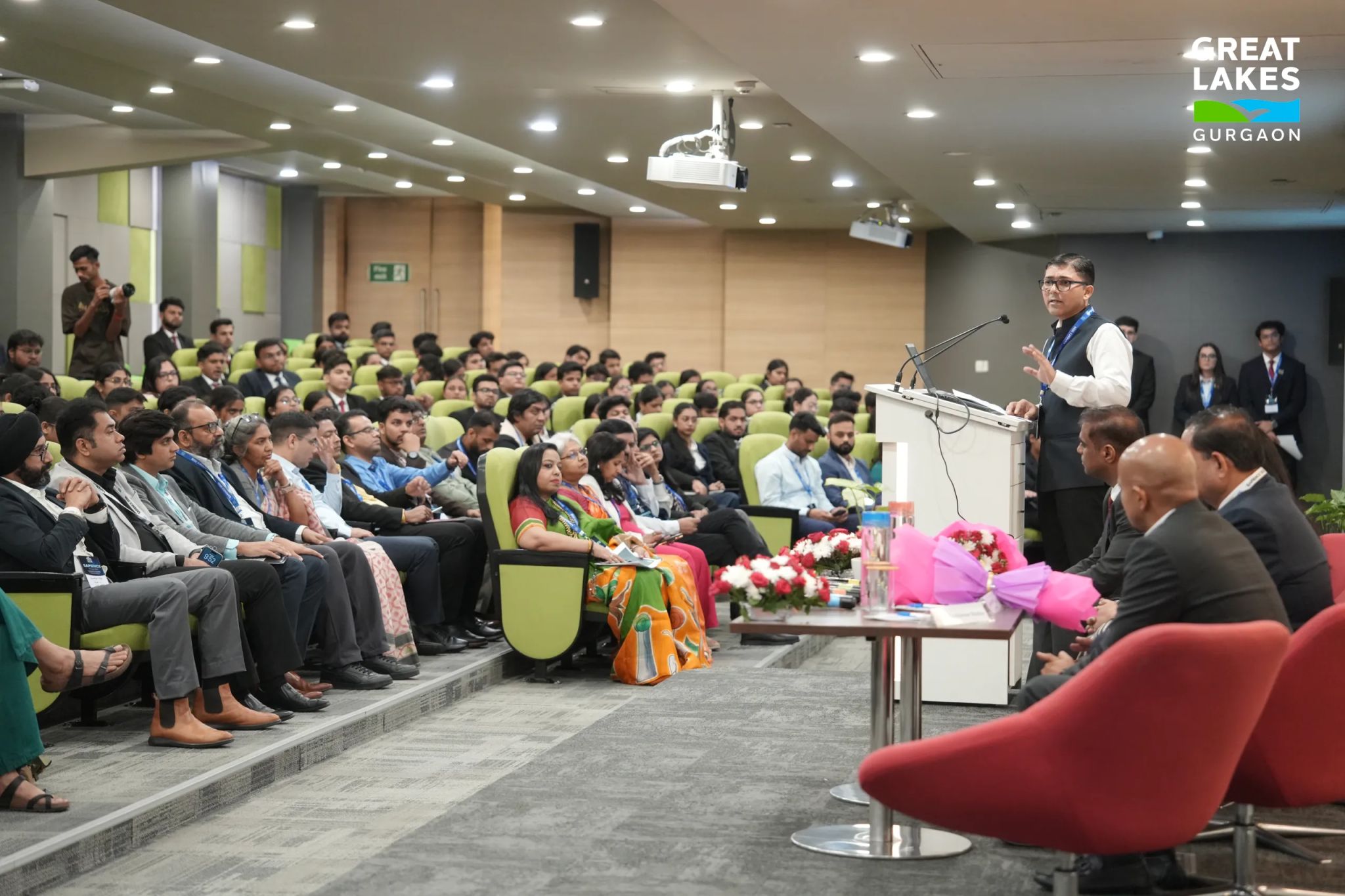
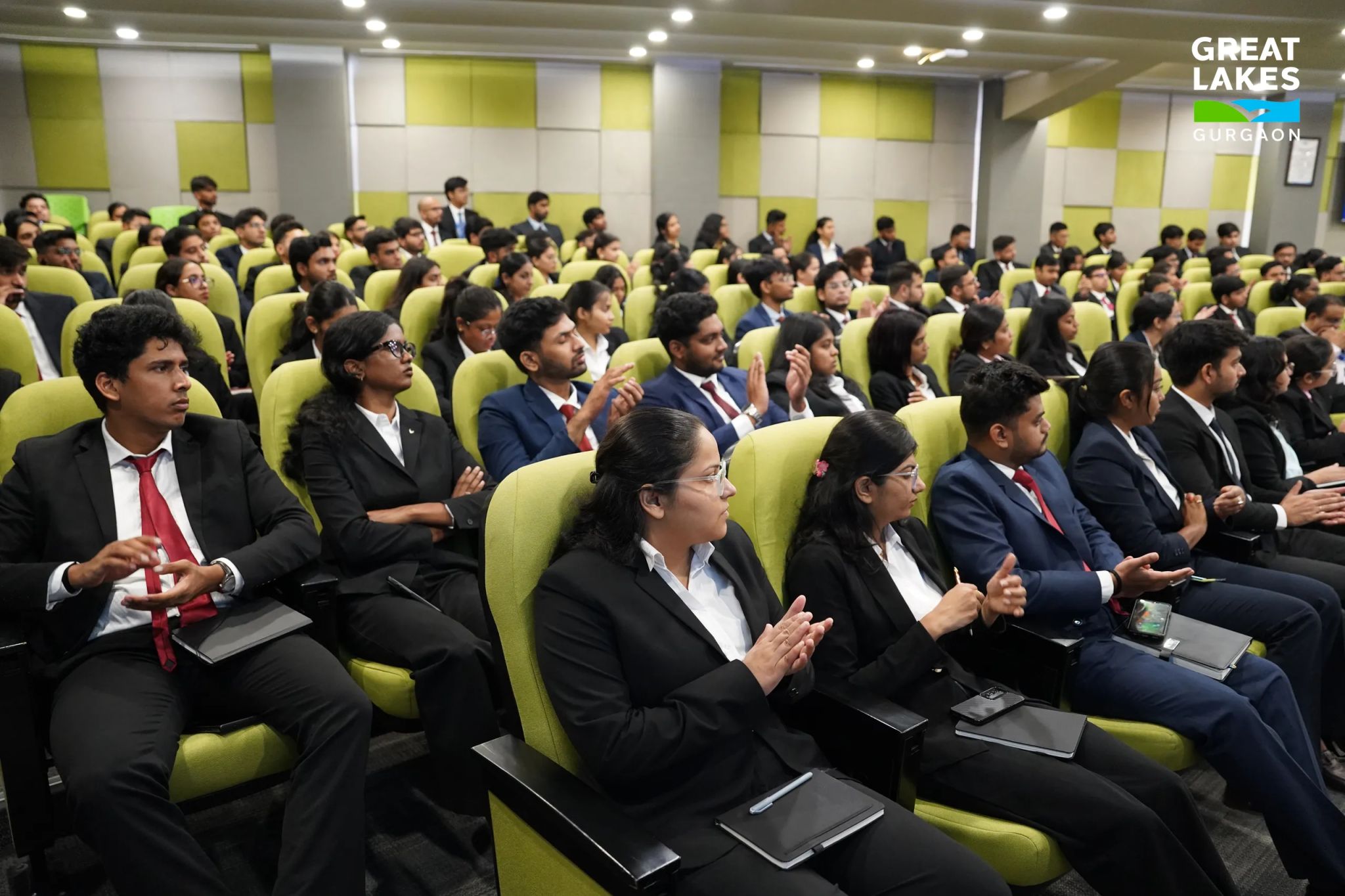
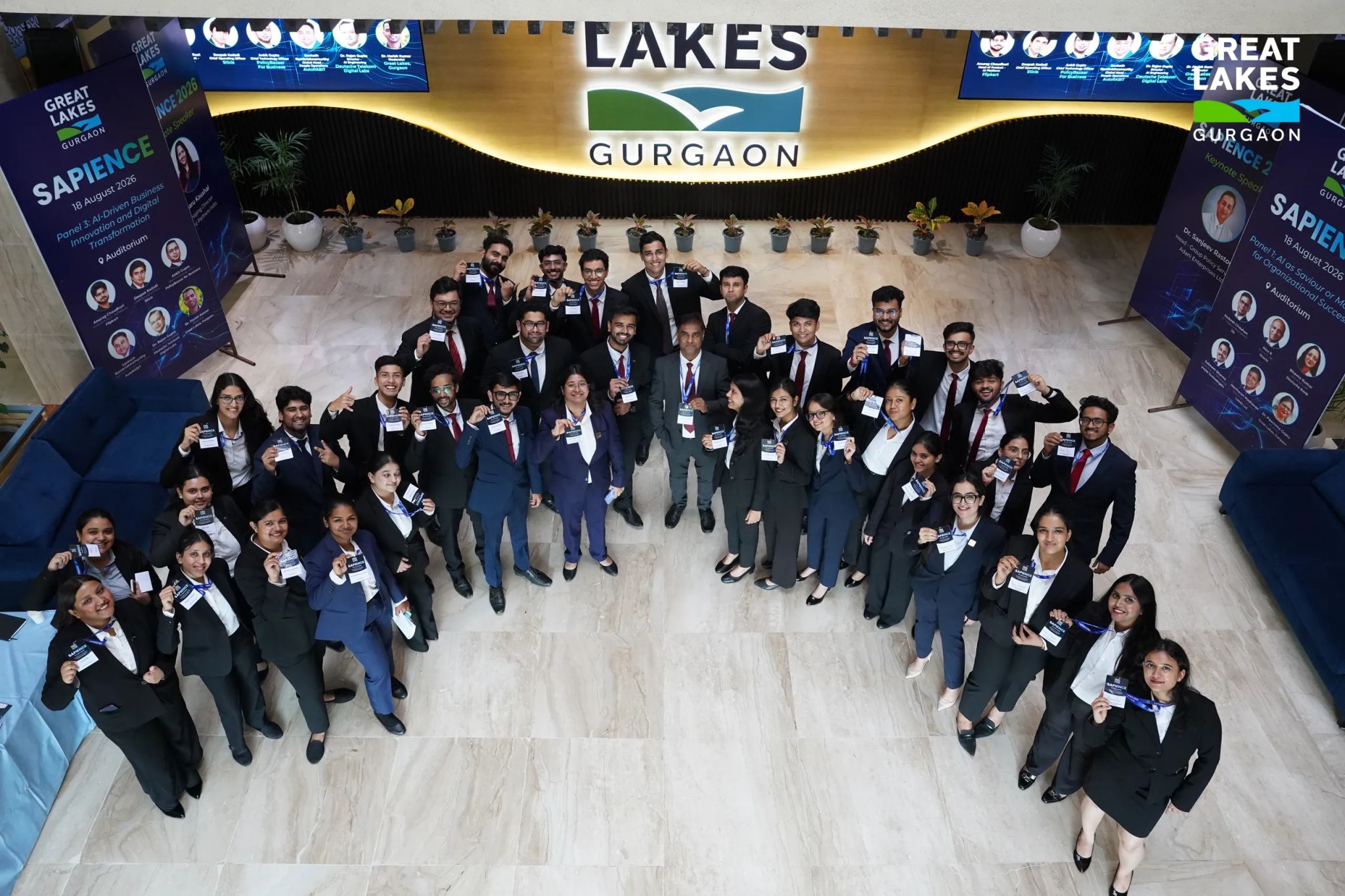
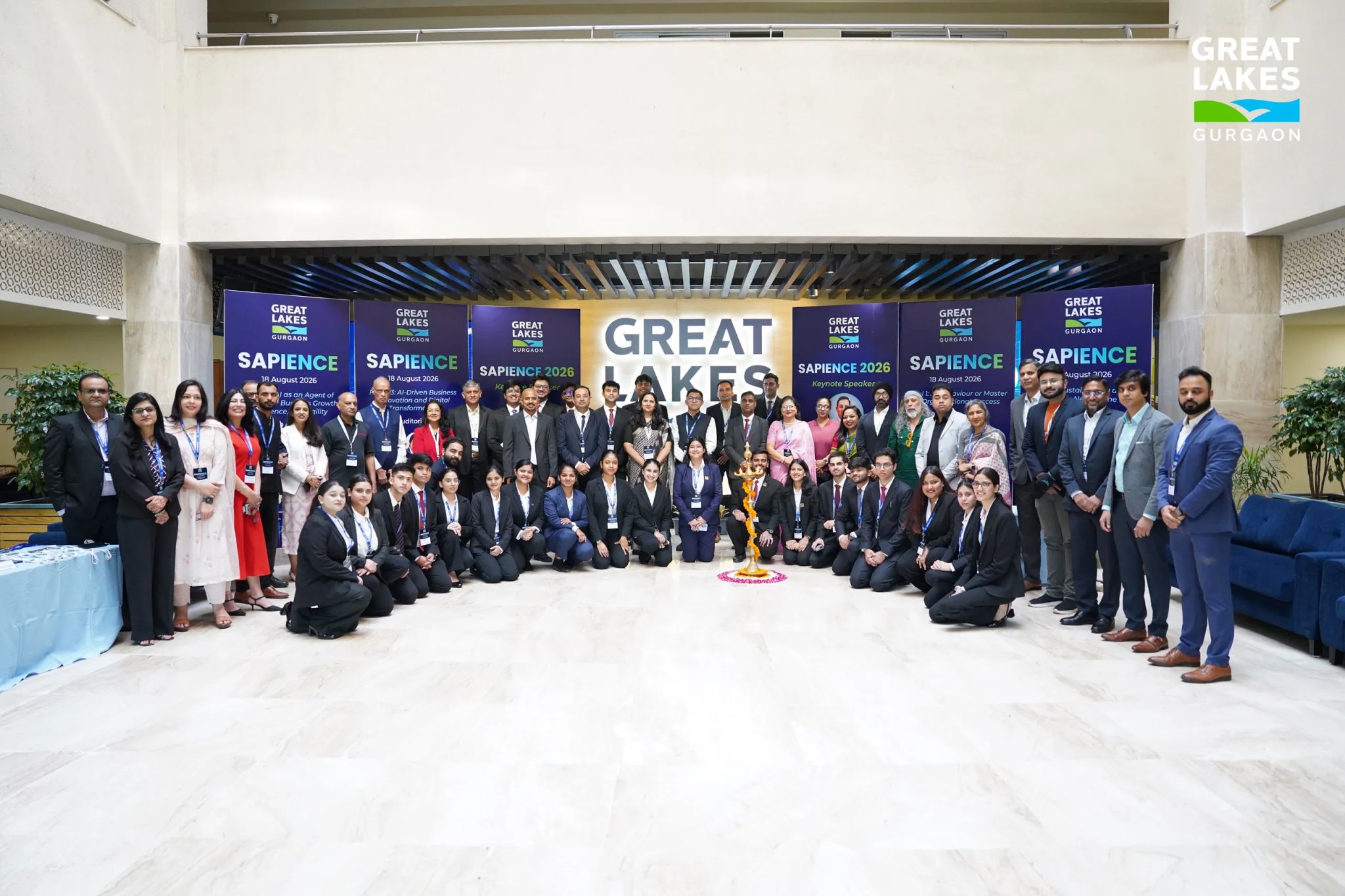
Sapience 2026 brought together leaders and experts from banking, financial services, HR, e-commerce, telecom, media, and sustainability to explore a critical question for organisations today: what does responsible and effective AI adoption actually look like in the real world?
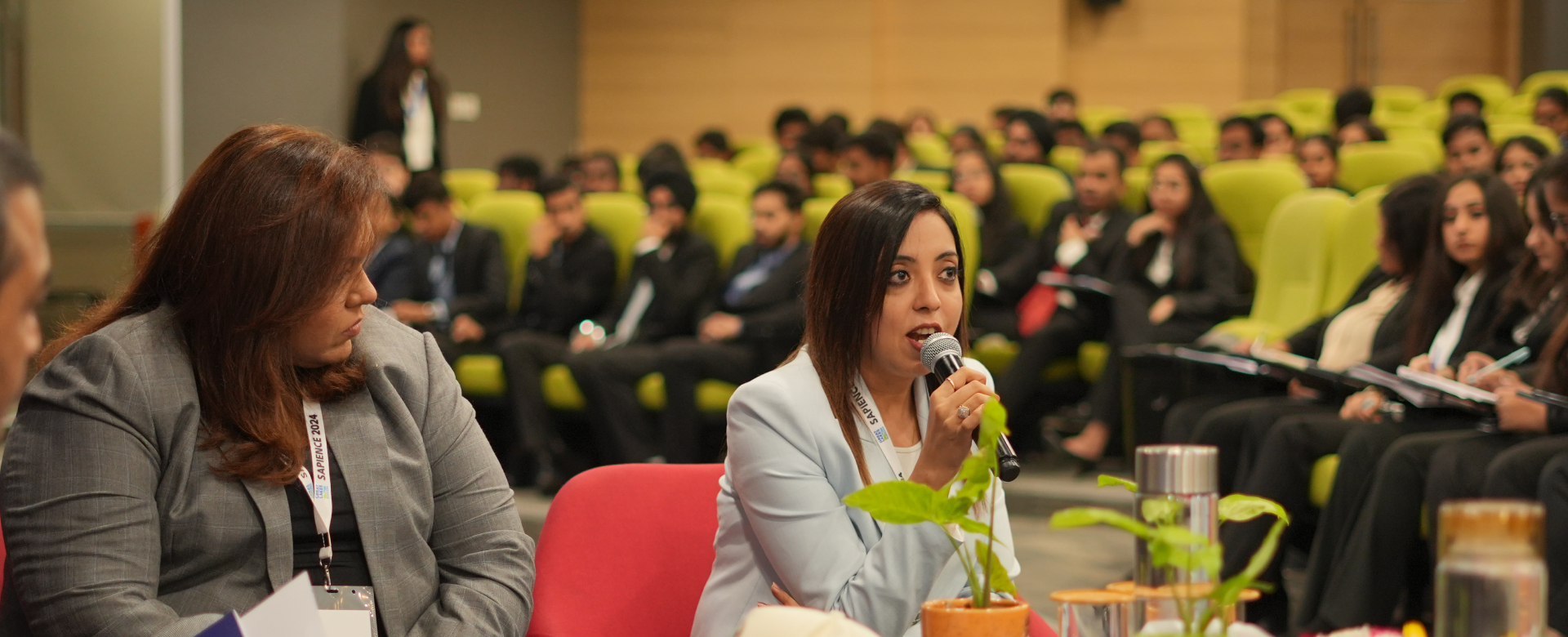
The conclave featured two keynote addresses and four thought-provoking panel discussions that examined AI as a force for organisational success, business growth and resilience, digital transformation, innovation, and sustainability. Across the sessions, speakers explored how organisations can harness AI while retaining human judgement, strengthening governance, building future-ready capabilities, and creating sustainable business value.
Dates: 18th August 2026
Venue: Great Lakes Institute of Management, Gurgaon
Keynote Address
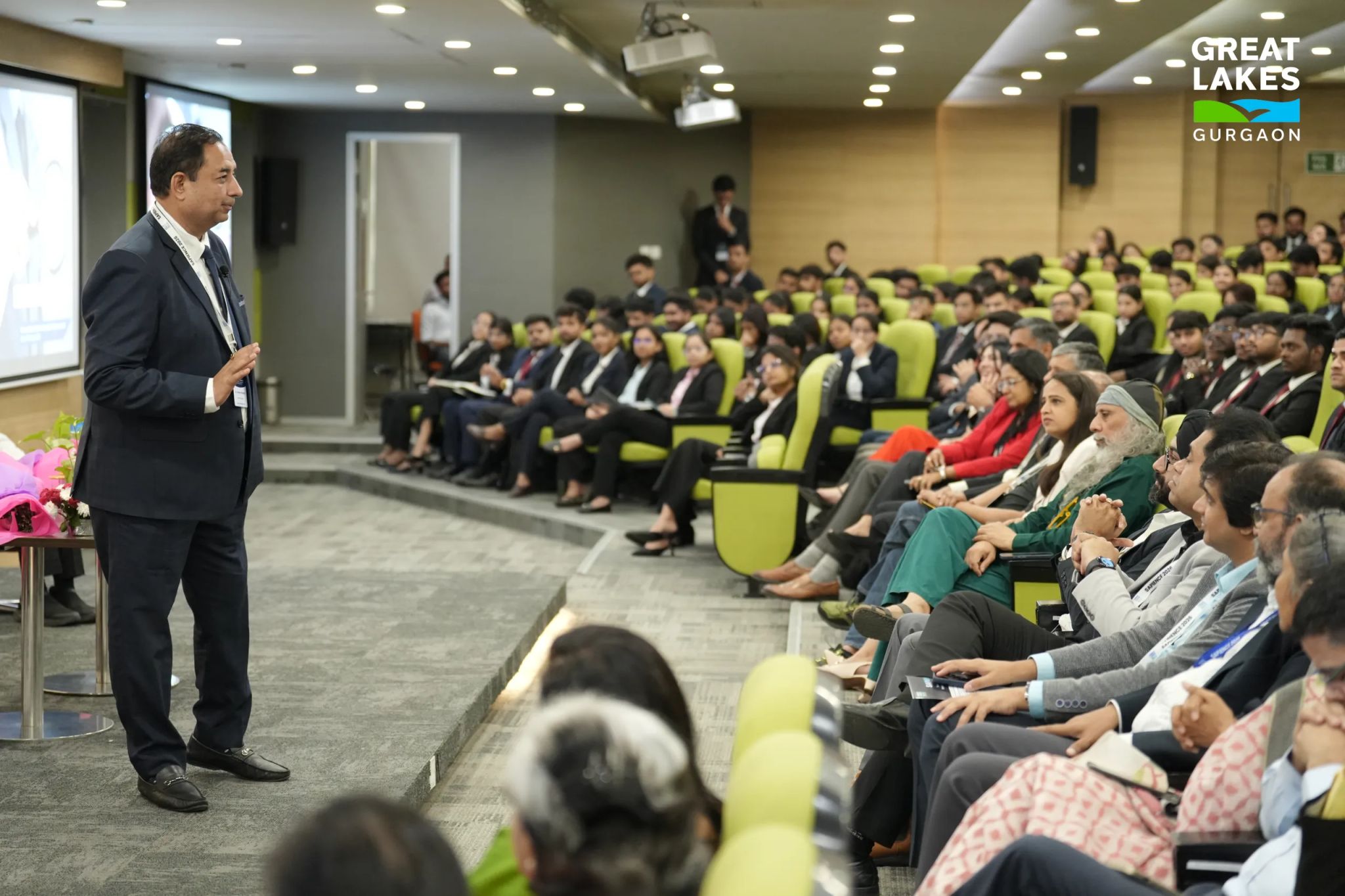
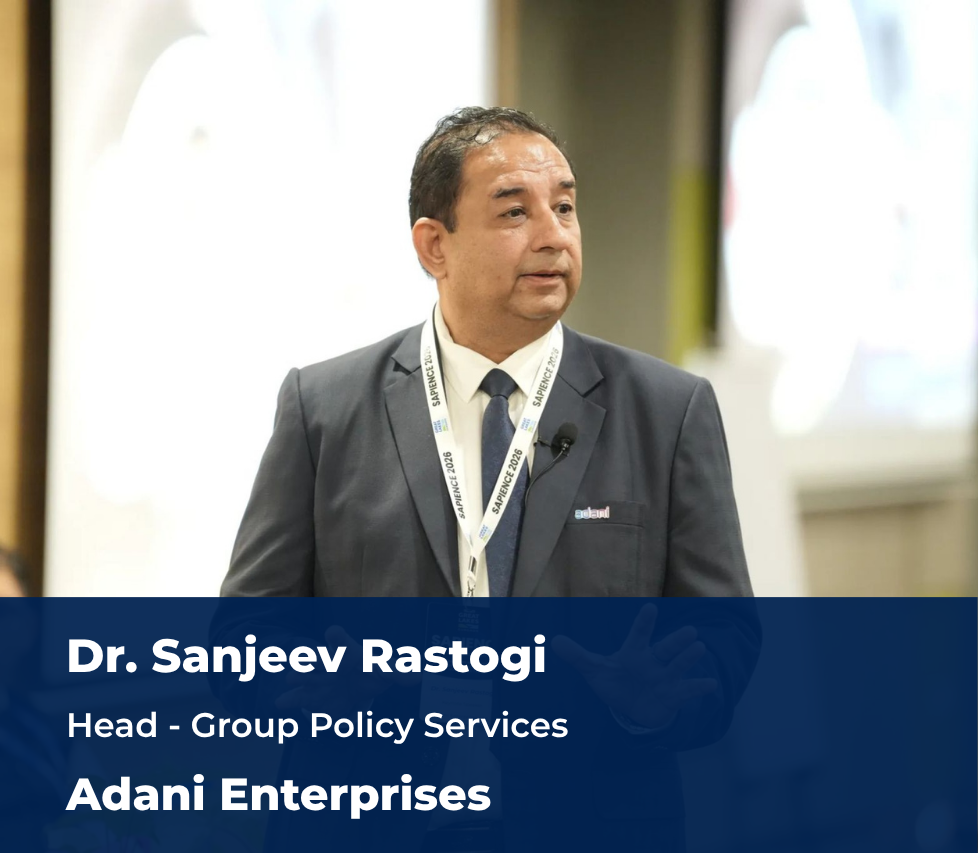
Dr. Sanjeev Rastogi shared lessons from his career journey on continuous learning, adaptability, ownership, and creating value at work. He emphasised that no role is insignificant when approached with discipline and purpose, and encouraged professionals to keep learning, upskilling, and adapting as the workplace evolves.
On AI, he offered a simple principle: AI should be a “saathi” (companion), not a “swami” (master). Human judgement, accountability, and continuous learning, he argued, must remain at the centre.
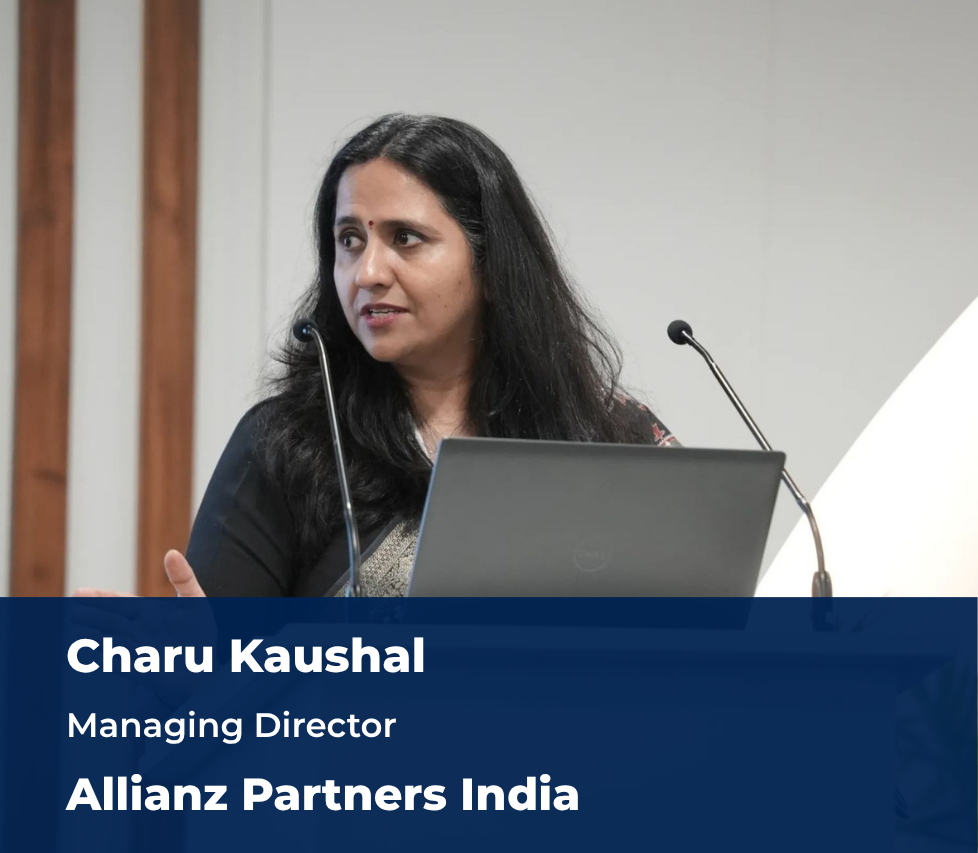
Charu Kaushal explored the intersection of AI, sustainability, and an increasingly unpredictable business environment. She emphasised that organisations must approach AI mindfully and strategically, using it to improve productivity, optimise processes, anticipate risks, and prepare for the future.
She highlighted India's advantage in the AI era through its Digital Public Infrastructure and population scale, while stressing that human oversight must remain central to AI-enabled decision-making.
“Accountability cannot be delegated to an algorithm - trust is the license to scale.” - Charu Kaushal
Panel 1 - AI as Saviour or Master for Organisational Success
The opening panel examined whether AI is becoming a saviour for organisations or whether excessive dependence could allow it to become the master. Speakers explored cognitive dependence, AI hallucinations, governance, human judgement, and the importance of knowing when not to use AI.
Speakers
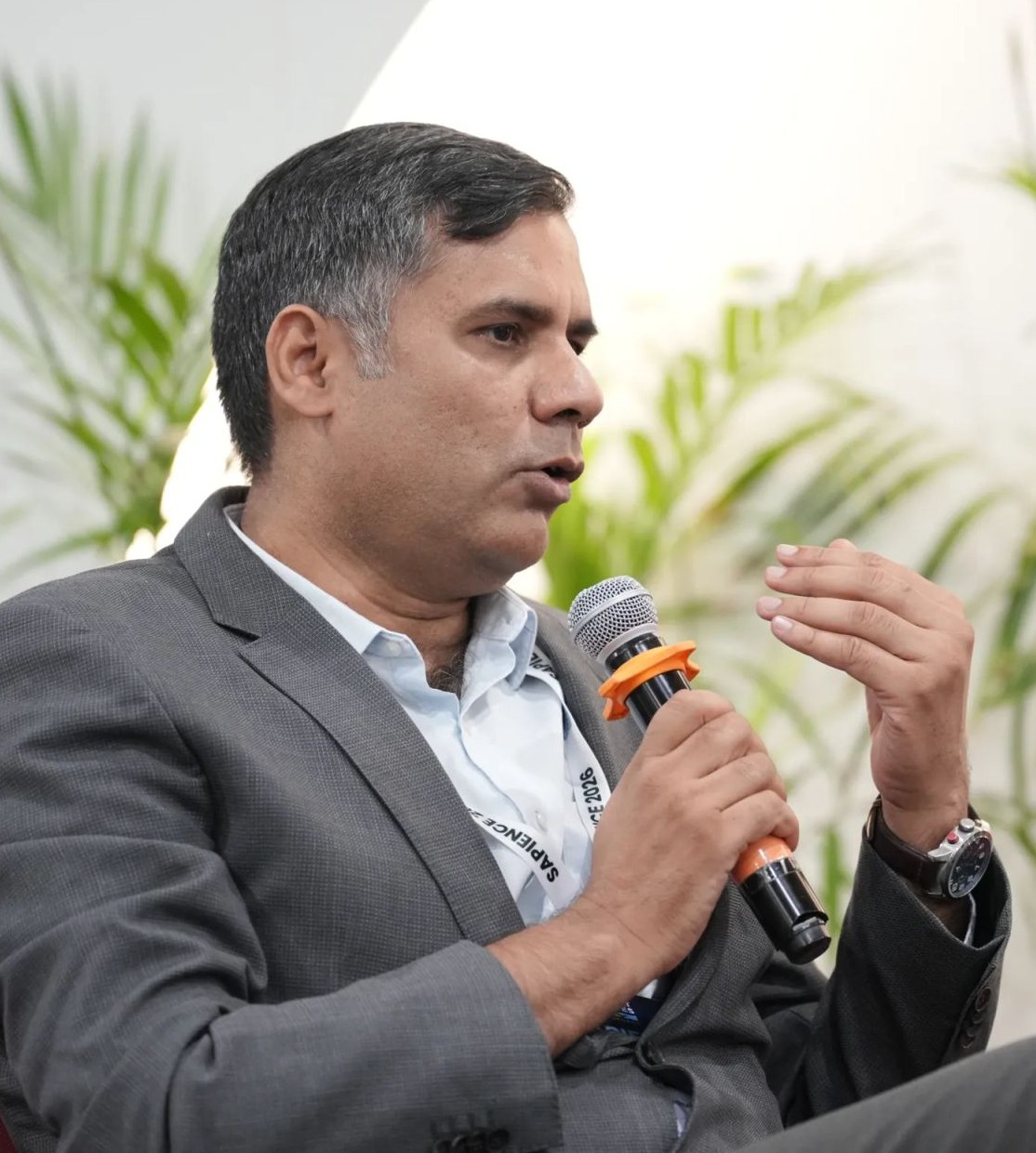
Mukesh Chauhan
VP – Regional HR Head (North), Jio
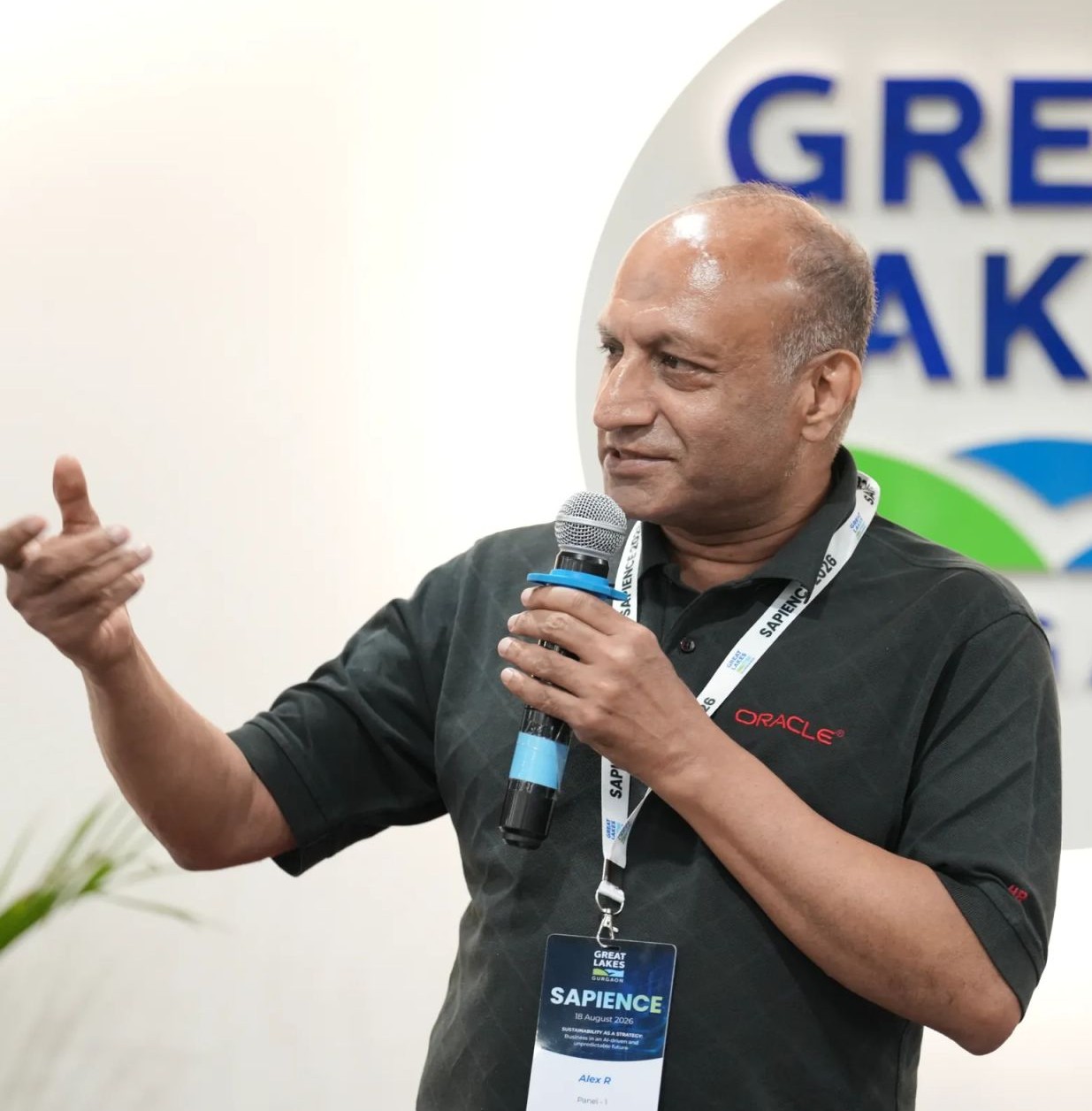
Alex R
Director HR, Oracle
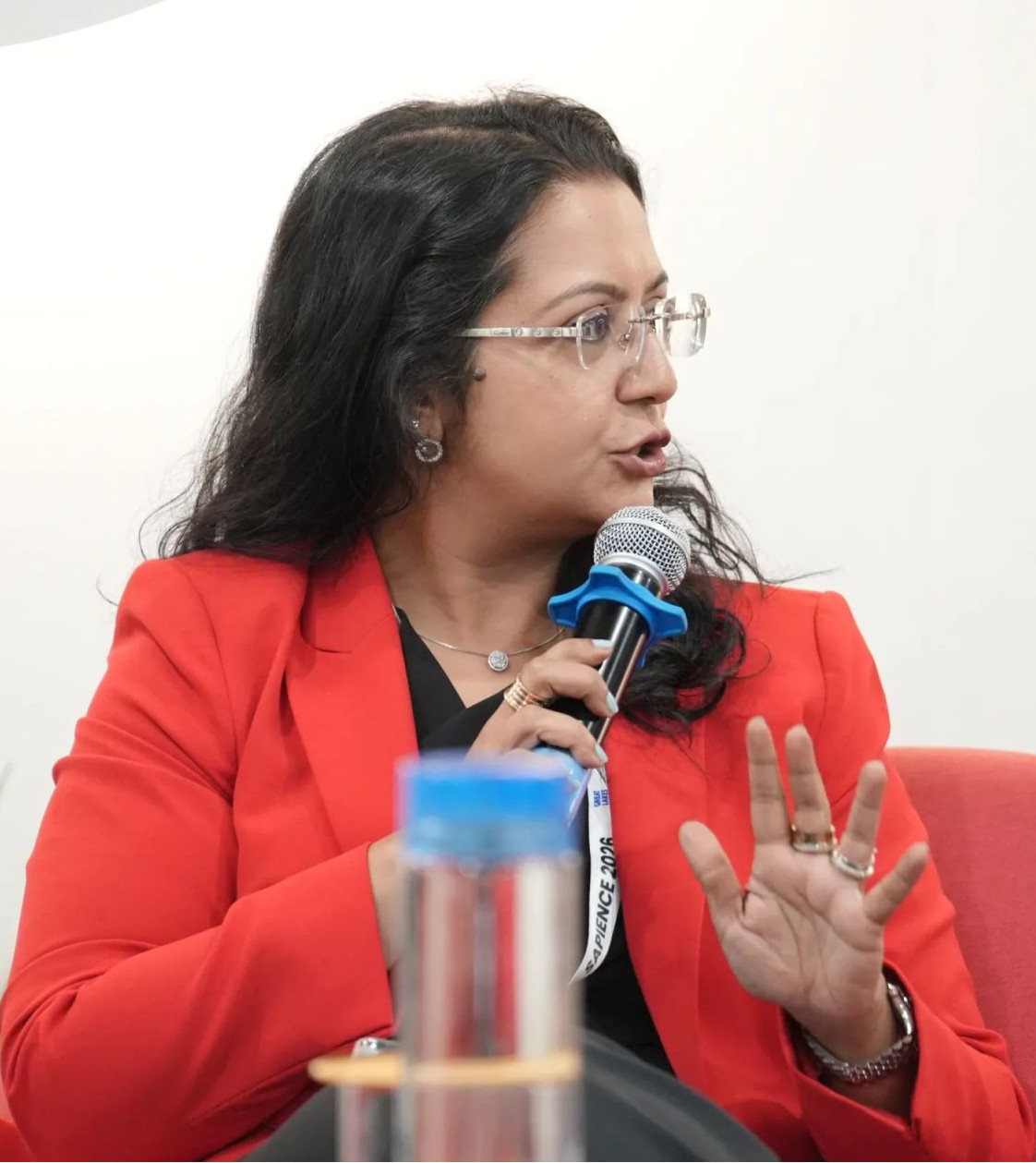
Bhavna Kumar
Global HR Lead, Deutsche Bank
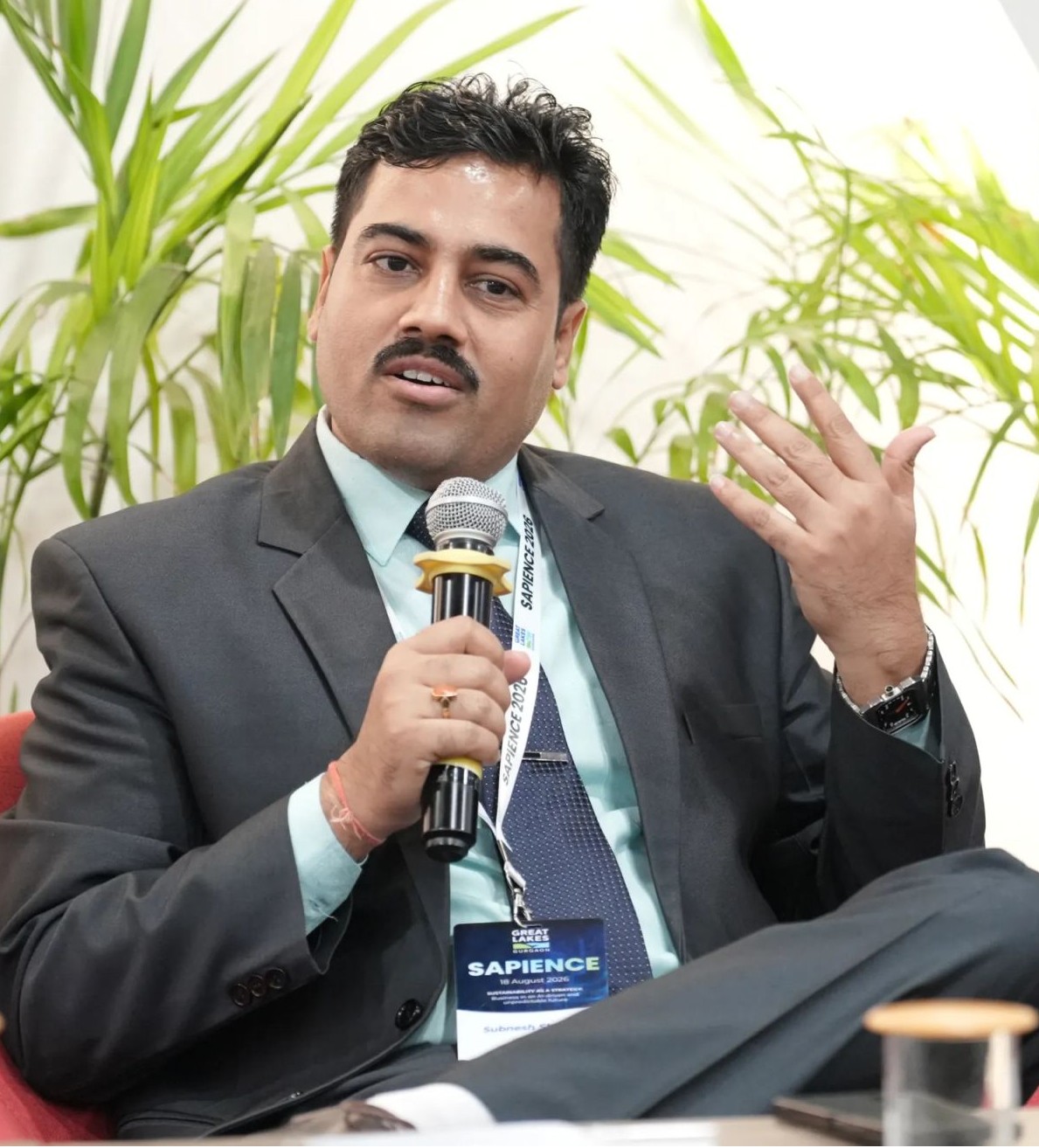
Subnesh Sharma
Senior Director – HR Strategy, VVDN Technologies
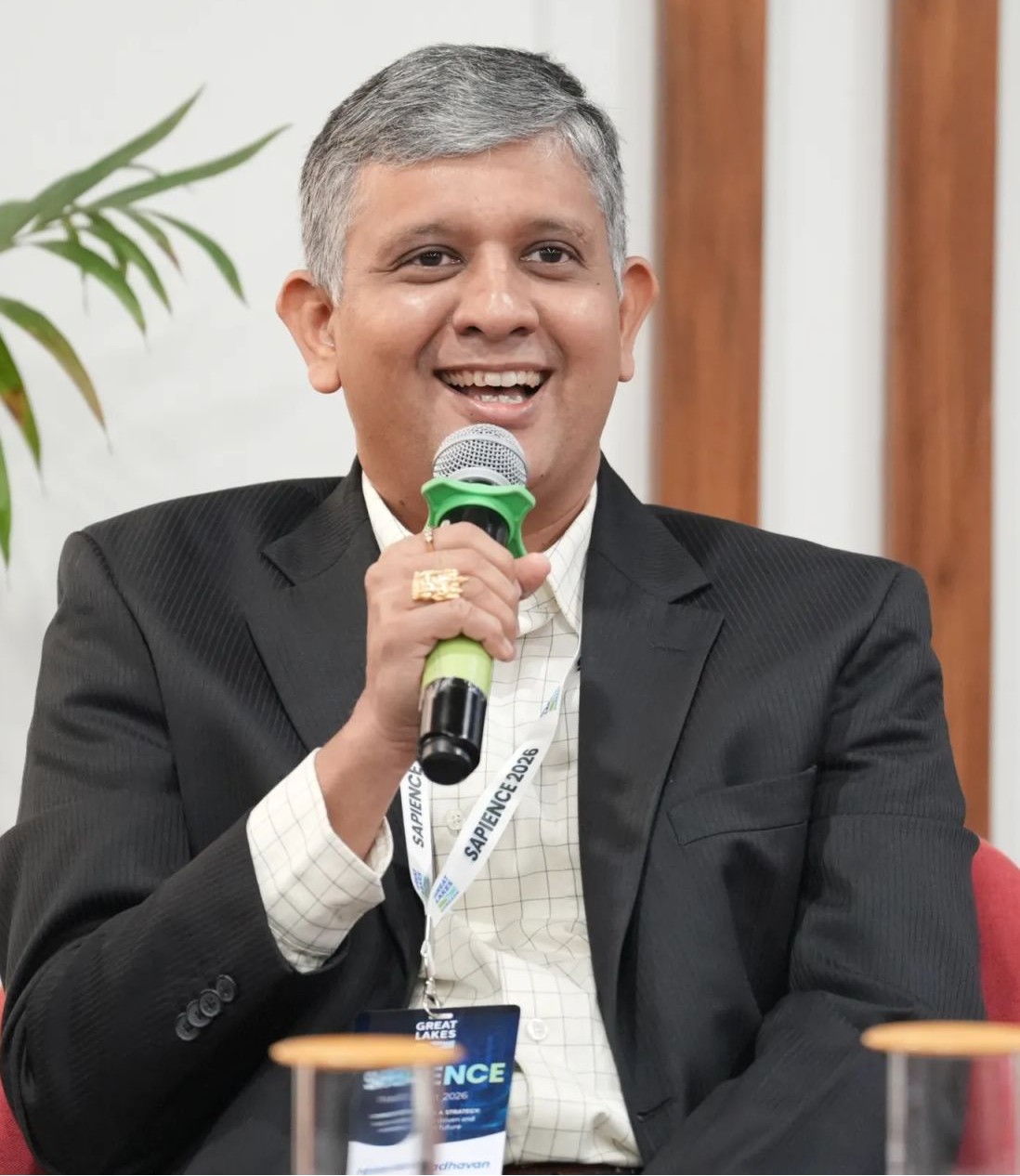
Hariharan Madhavan
Deputy Vice President, CAMS Ltd.
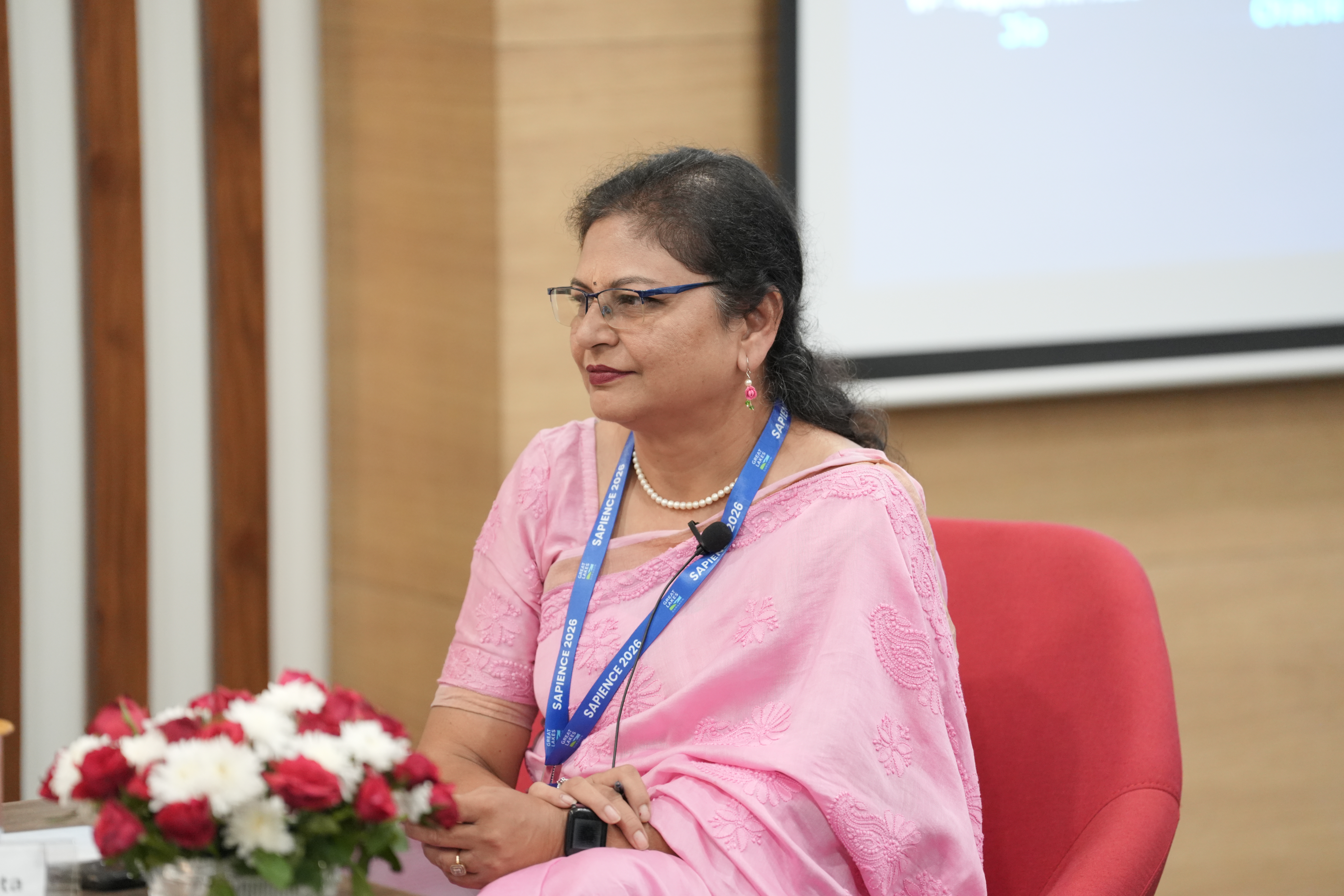
Dr. Poornima Gupta (Moderator)
Professor, Great Lakes, Gurgaon
Key Insight: The discussion highlighted the need to balance AI capabilities with human intelligence. Speakers stressed that AI can bring speed, scale, and efficiency, but curiosity, courage, culture, empathy, emotion, ethics, and contextual judgement remain distinctly human strengths.
The panel also introduced the RRIP framework: repeated tasks and reversible decisions can be handed to AI, while high-impact and people-related decisions should remain human-led.
“AI is given. HI (Human Intelligence) is the skill of the future.”
Panel 2: AI as an Agent of Change for Business Growth, Resilience, and Agility
This panel explored how AI is moving beyond hype to become an integral part of business and everyday life. The discussion focused on using AI to solve real business problems, strengthen resilience, improve productivity, and augment human capabilities.
Speakers
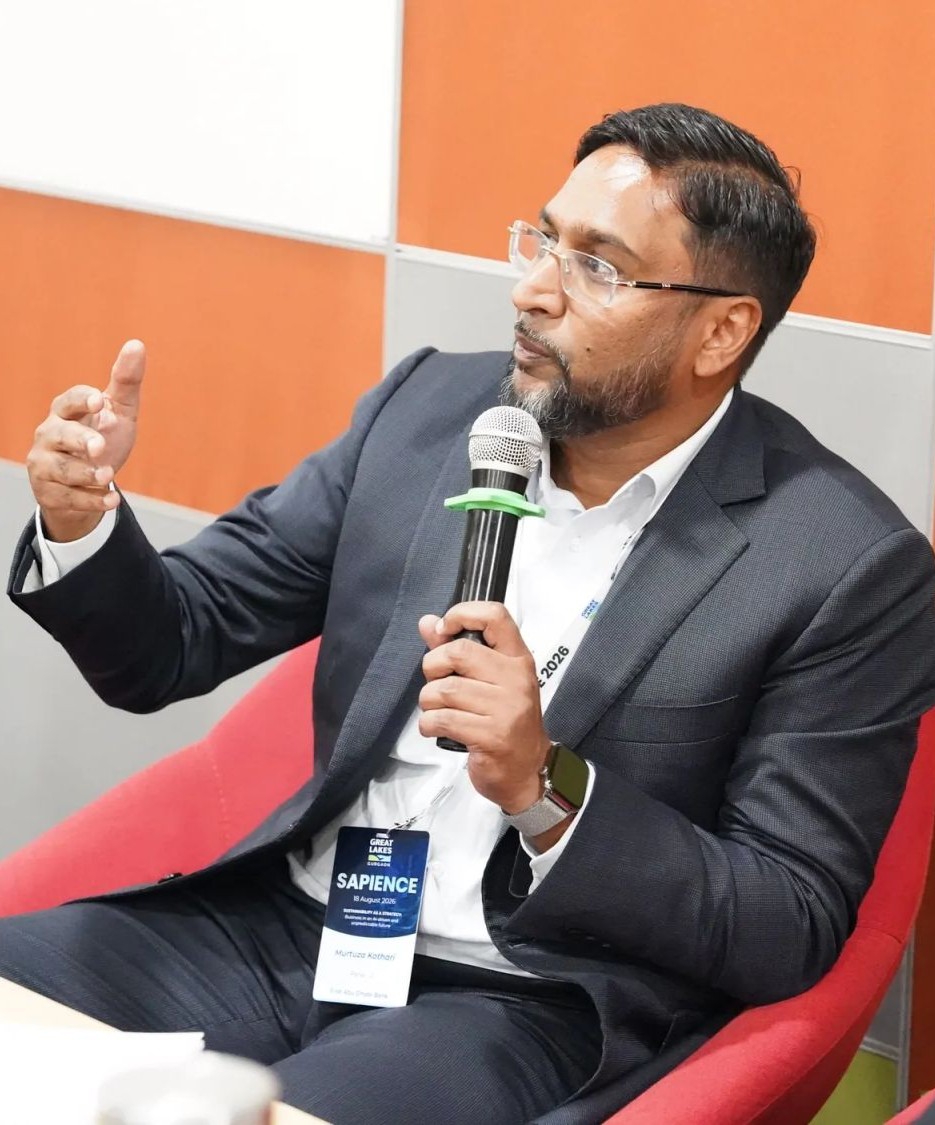
Murtuza Kothari
Executive Director – Global Market Sales, First Abu Dhabi Bank
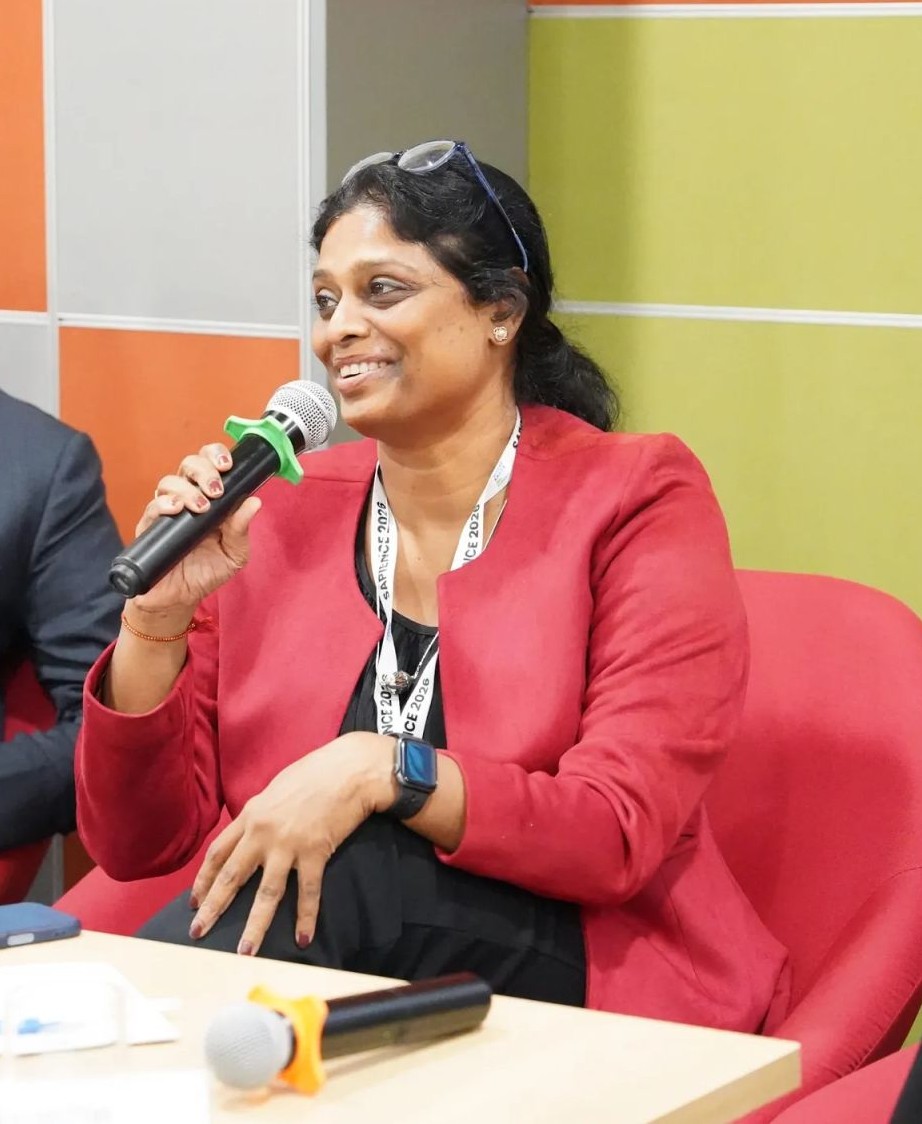
Bhargavi Viriyala
Head, CIP FS GCC
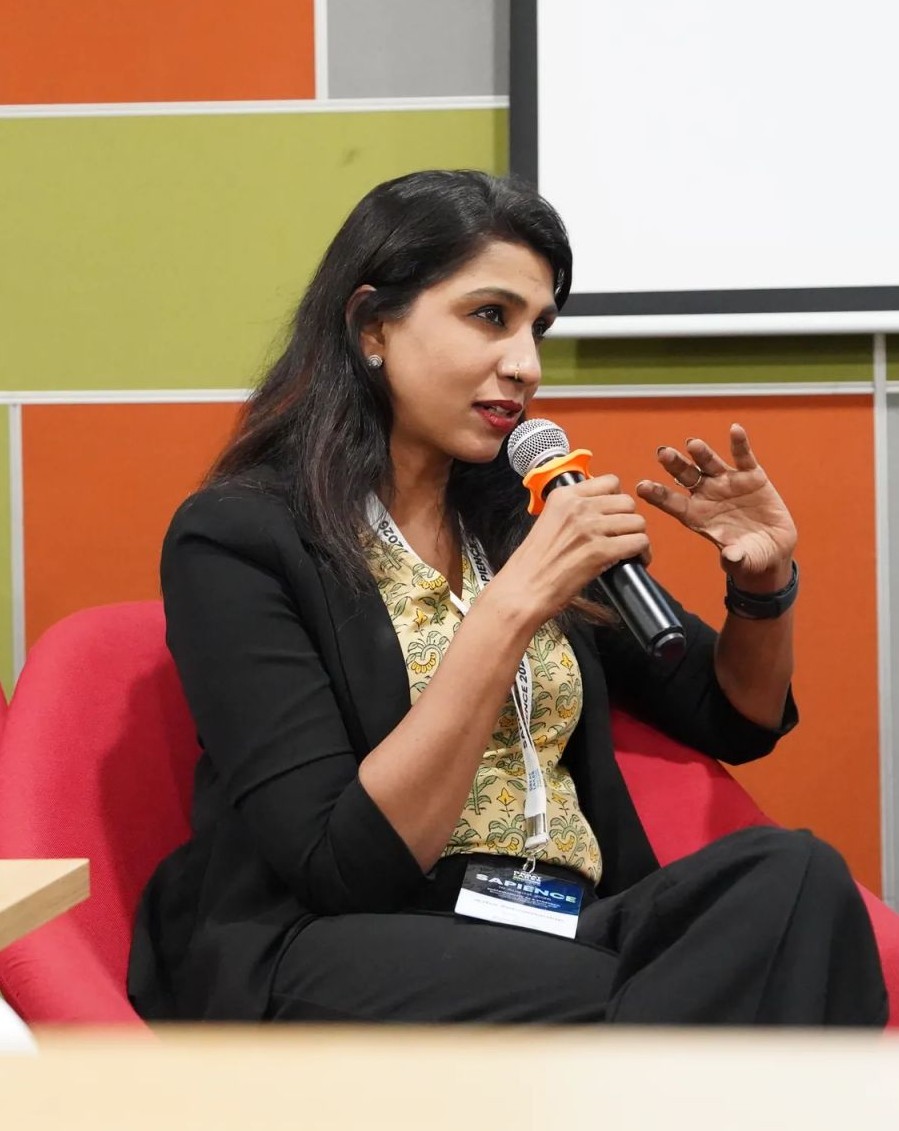
Asha Subramanian
CHRO, Daily Rounds
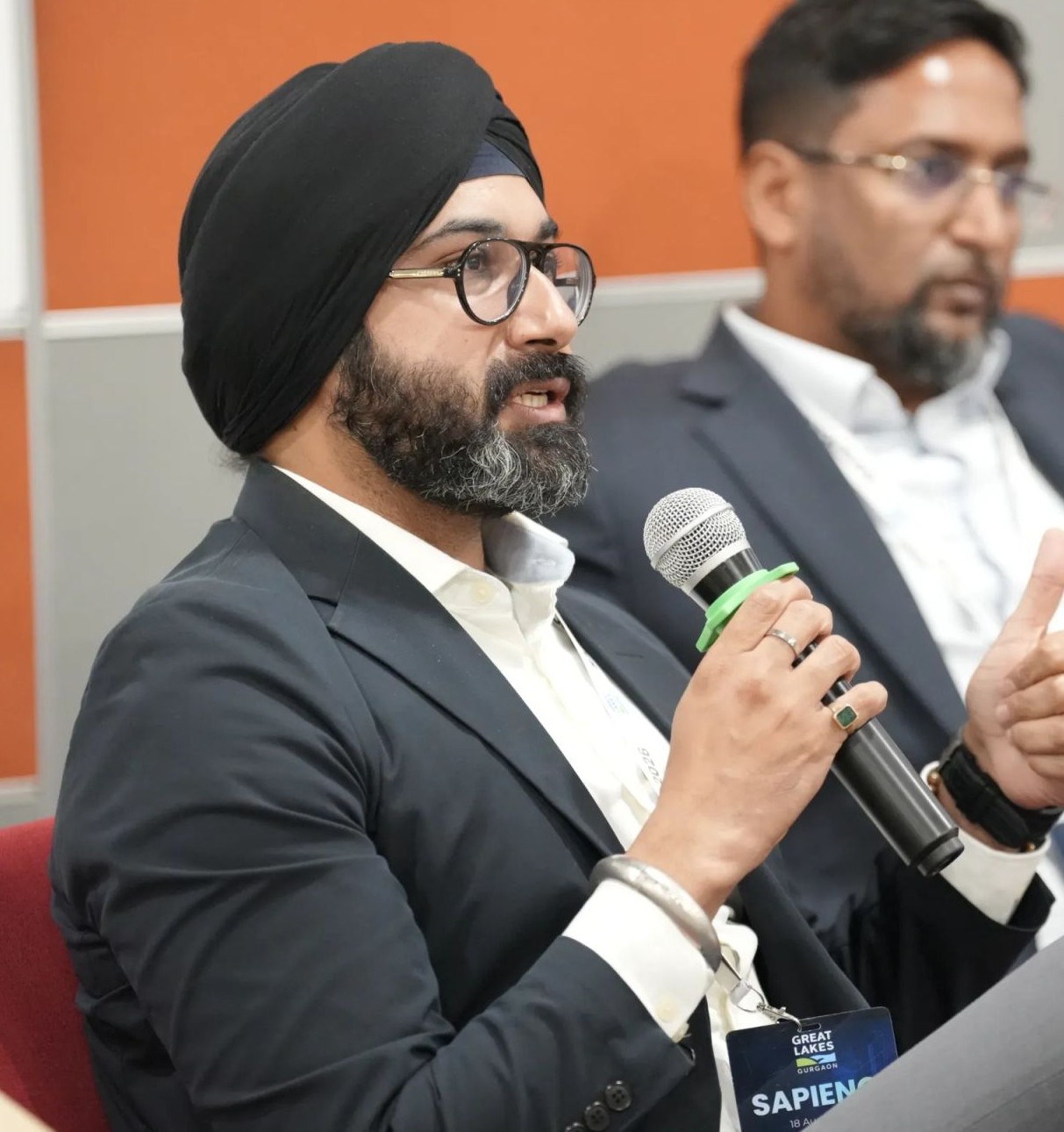
Kamaljeet Singh
Business Head SMB & Head of Product
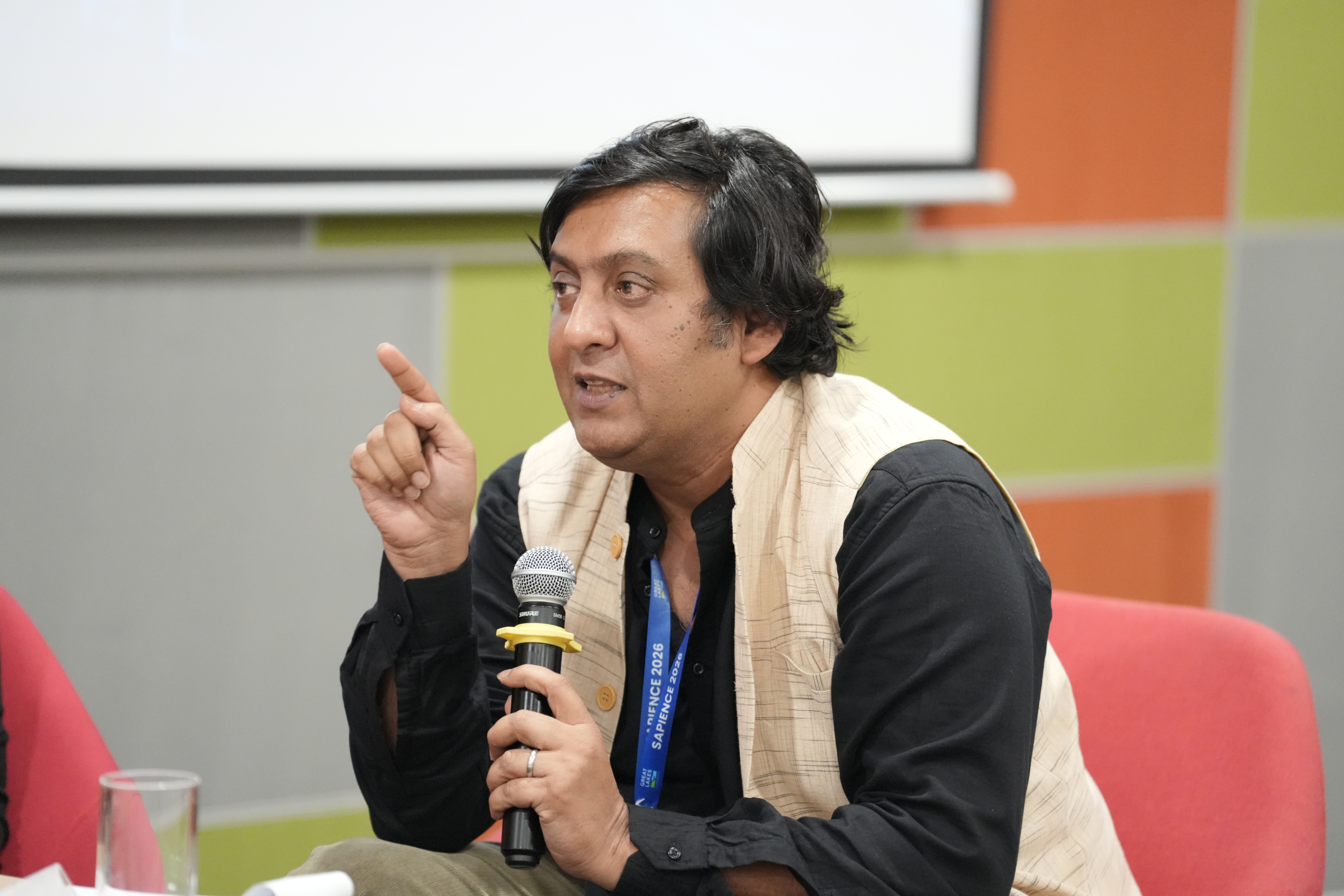
Bappaditya Mukhopadhya (Moderator)
Professor, Great Lakes, Gurgaon
Key Insight: The panel emphasised that organisations should not adopt AI simply because competitors are doing so. Instead, AI should be applied where it creates genuine business value.
Speakers highlighted the importance of human judgement, continuous learning, responsible governance, and the ability to learn, unlearn, and relearn as roles evolve.
“AI is not a replacement; it is an enabler of human abilities.”
Panel 3: AI-Driven Business Innovation and Digital Transformation
The third panel explored how AI is reshaping business transformation, decision-making, customer experience, and the future of work. The conversation examined AI hallucinations, machine decision-making, agentic systems, AI evaluation, and the future relevance of human skills.
Speakers
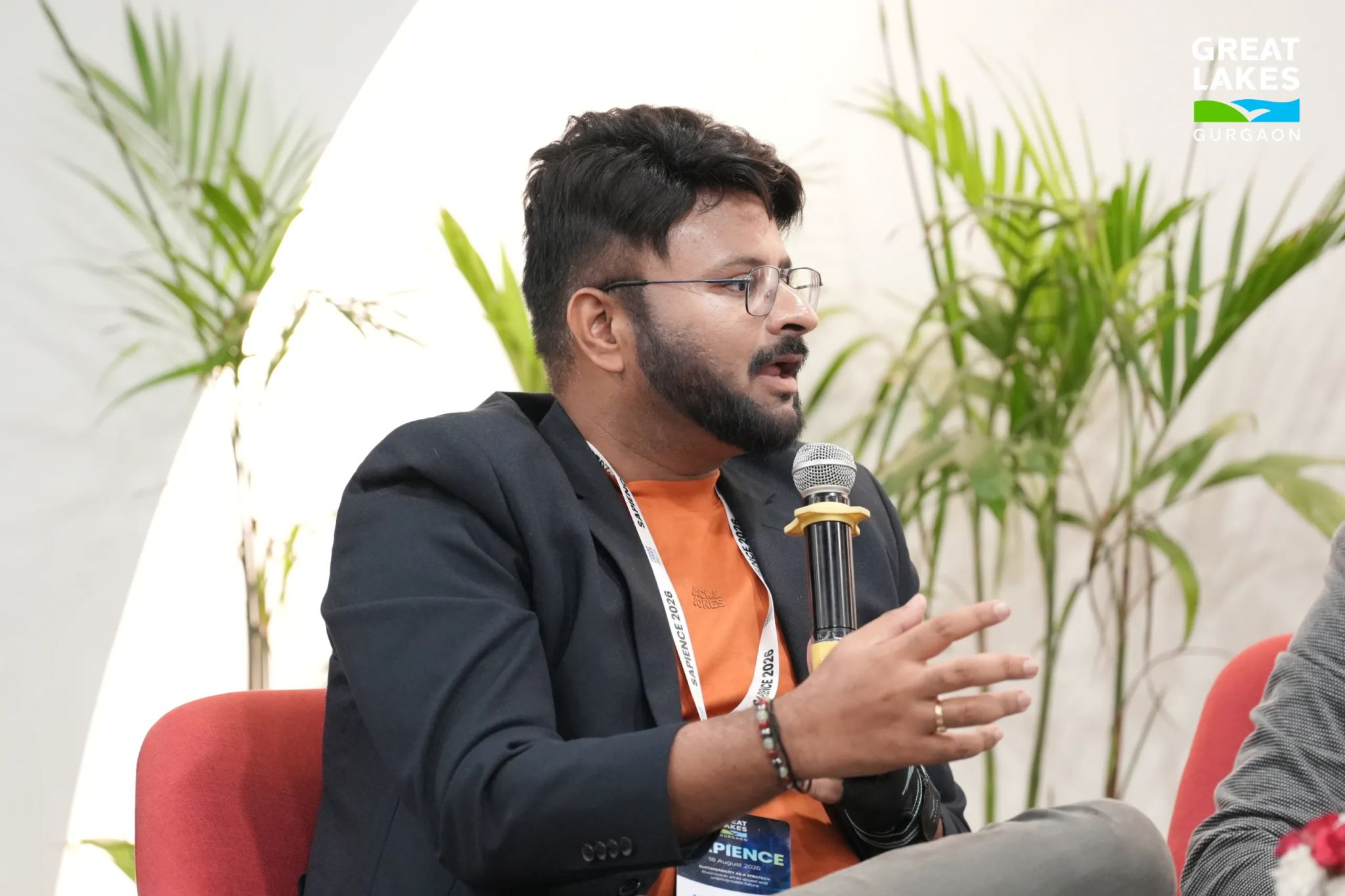
Anurag Chaudhuri
Head of Product – AI Platform, Flipkart
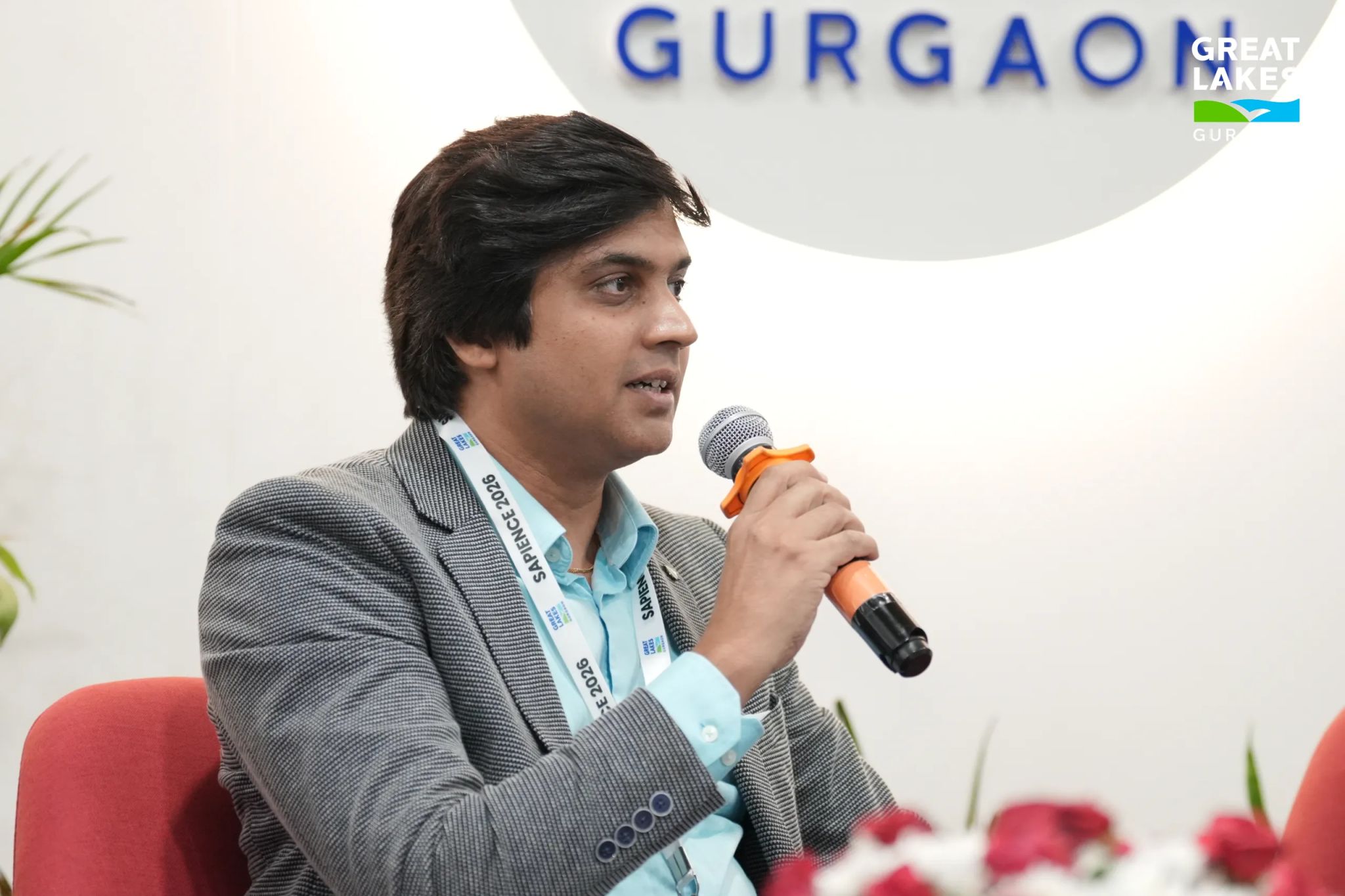
Deepak Kadadi
Chief Operating Officer, Stixis
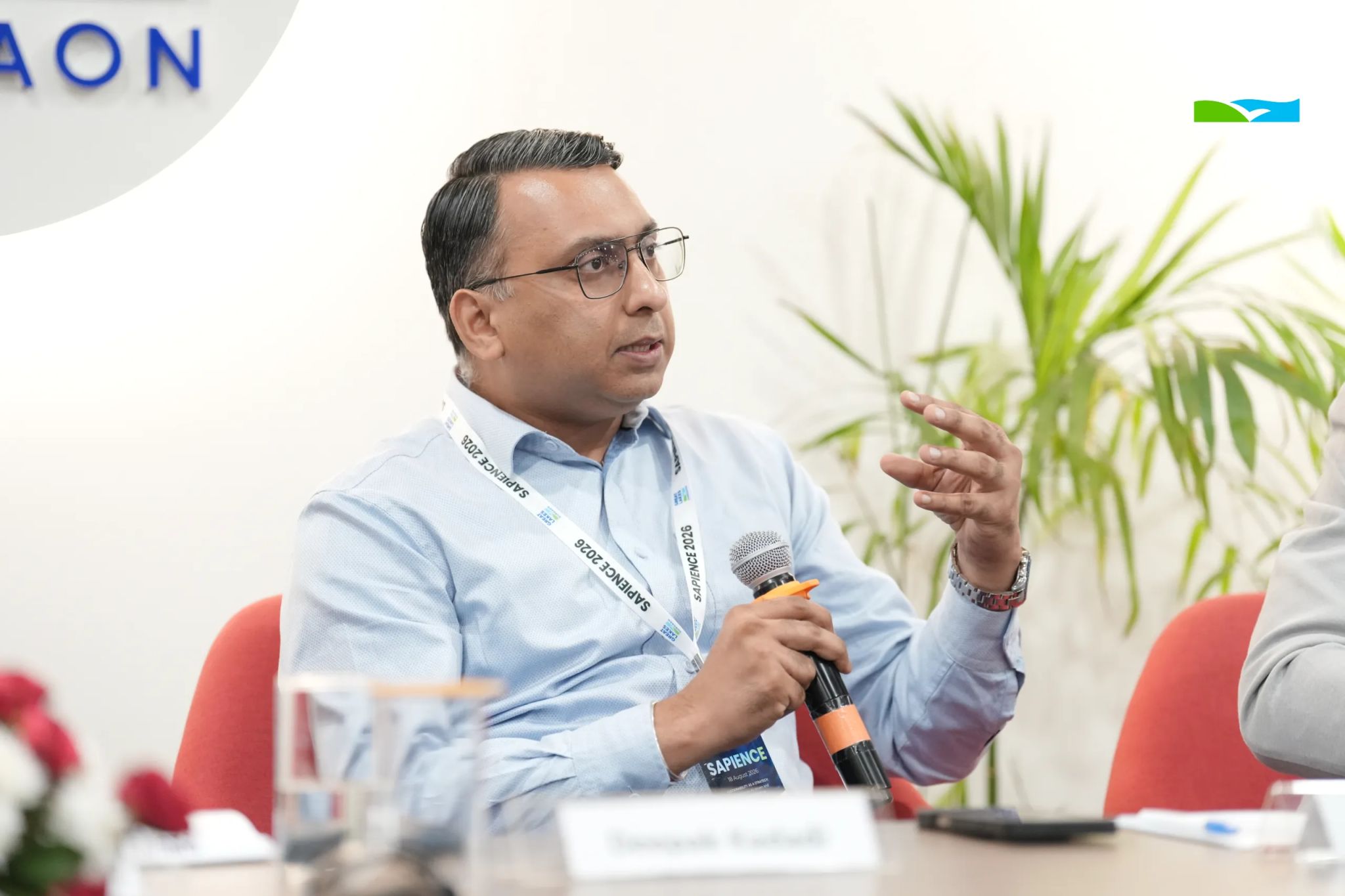
Ankit Gupta
Chief Technology Officer, PolicyBazaar for Business
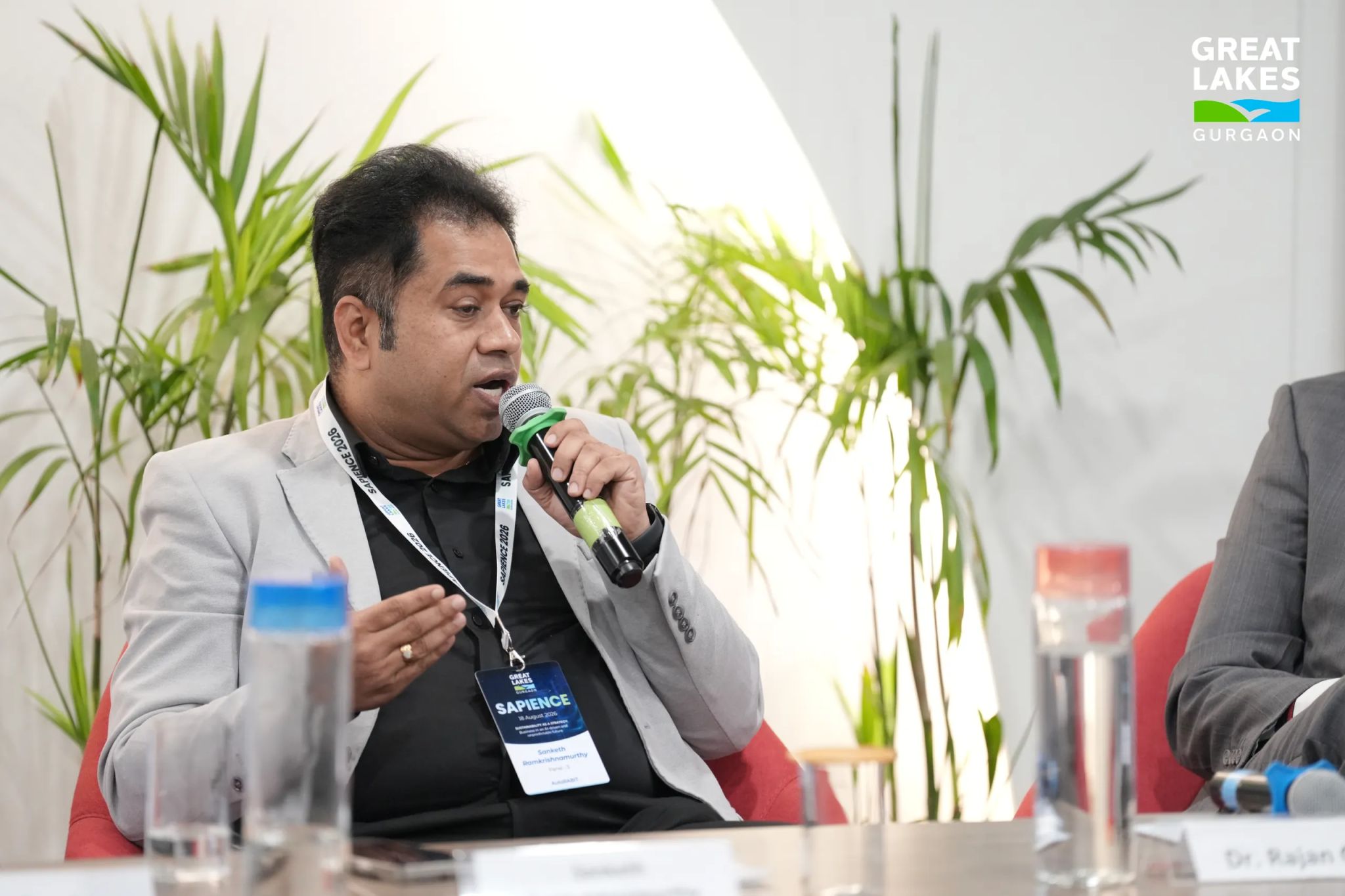
Sanketh Ramkrishnamurthy
Global Head – People Operations, AutoRABIT
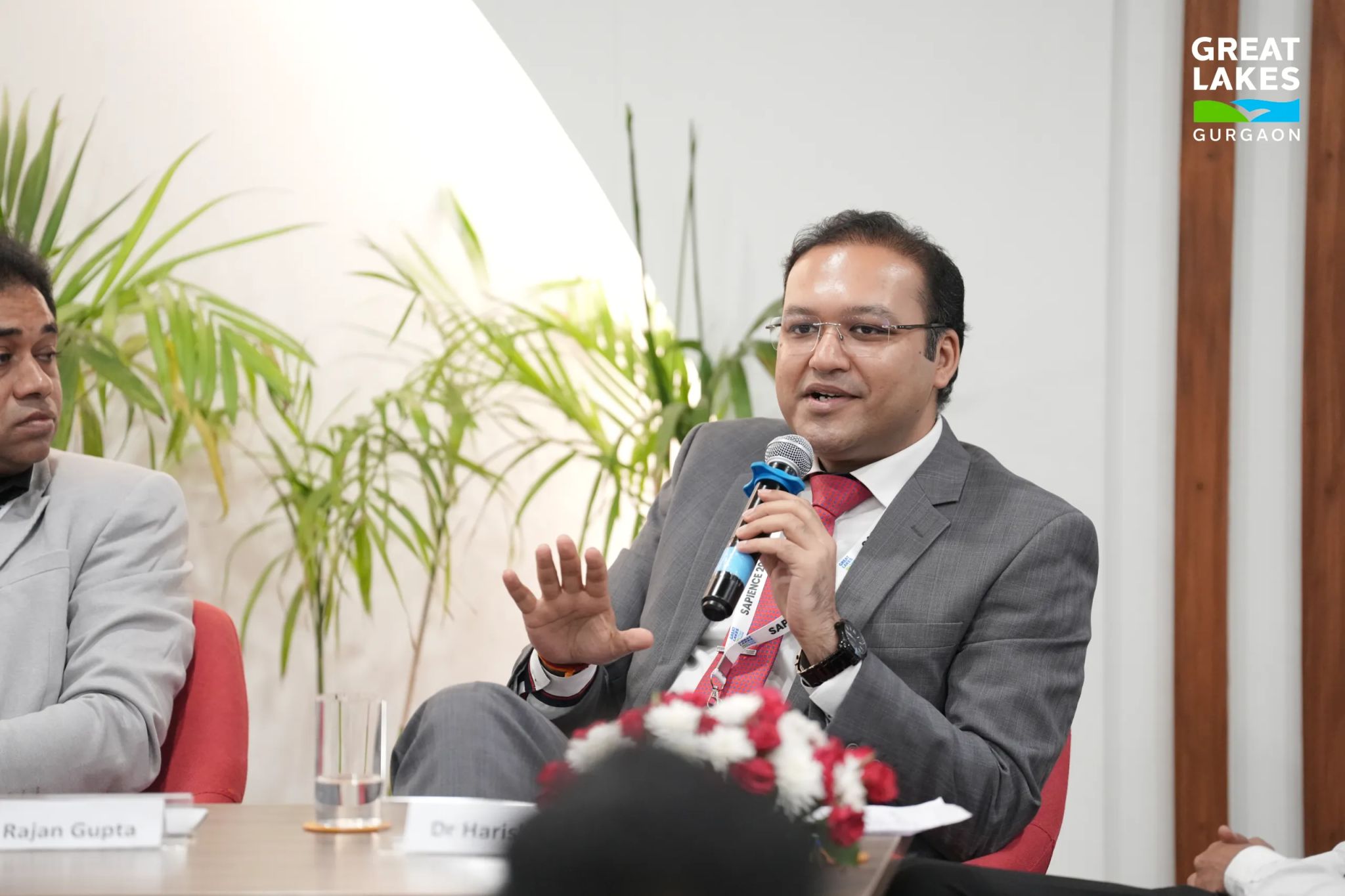
Dr. Rajan Gupta Dr. Hari
Director – AI Engineering, Deutsche Telekom Digital Labs
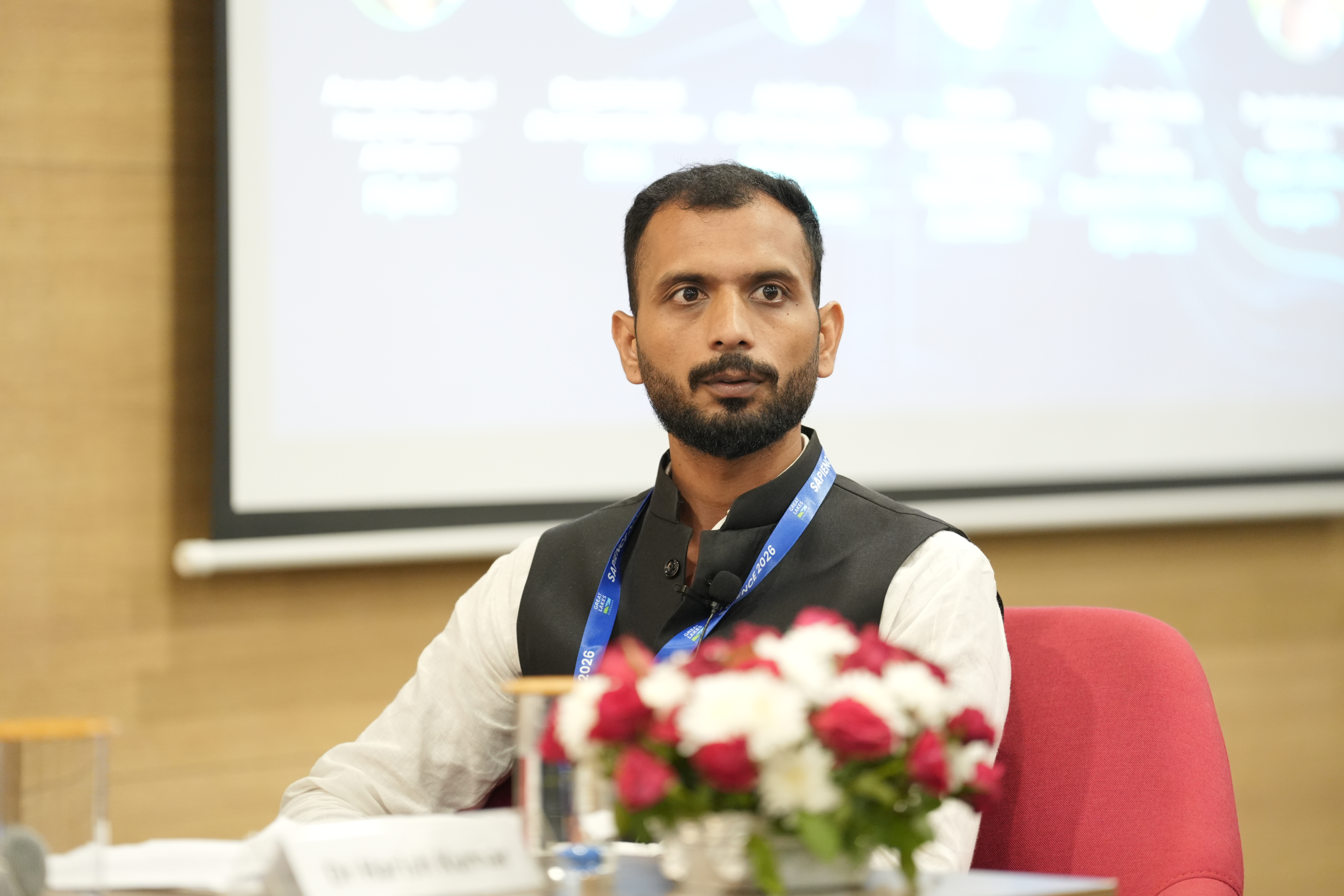
Dr. Harish Kumar (Moderator)
Professor, Great Lakes, Gurgaon
Key Insight: The panel advocated a problem-first approach to AI adoption. Speakers stressed that organisations must first identify the right problem and then determine whether AI is the right solution.
Anurag Chaudhuri shared the 4 Ps of AI Adoption — Productivity, Performance, Policy, and Pricing, highlighting the importance of measurable impact, accuracy, governance, privacy, security, and ROI.
The panel also discussed the 80/20 principle, where the majority of cognitive effort should remain with the human, with AI used to enhance rather than replace human thinking.
“Identify the right problem first, then use AI to solve it.”
Panel 4: Sustainability and AI: Ambition or Need of the Hour
The final panel explored the relationship between AI and sustainability, asking whether their convergence is an ambition or an immediate organisational necessity.
Speakers
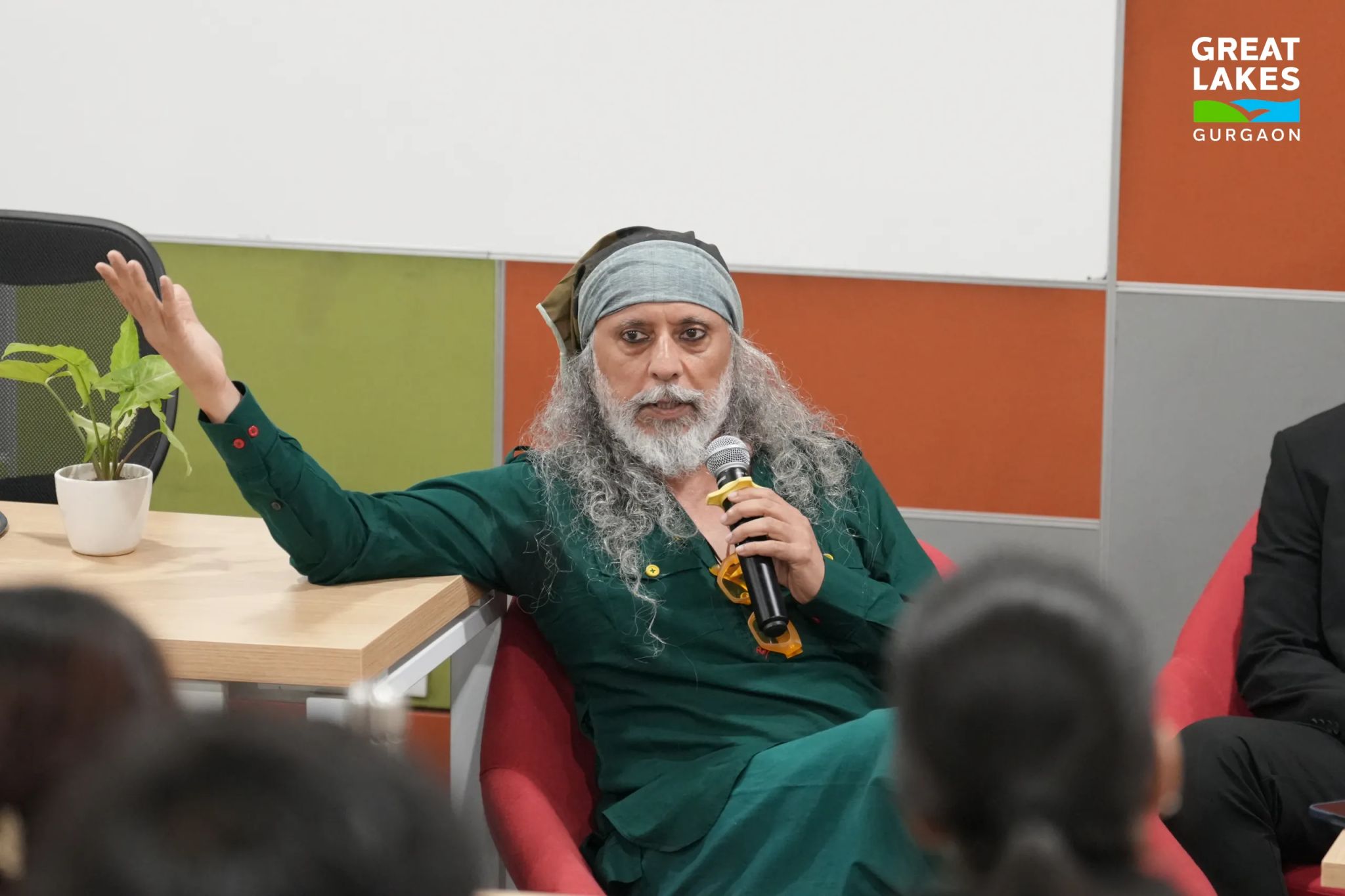
Partho Sengupta
National Creative Head, The Times of India
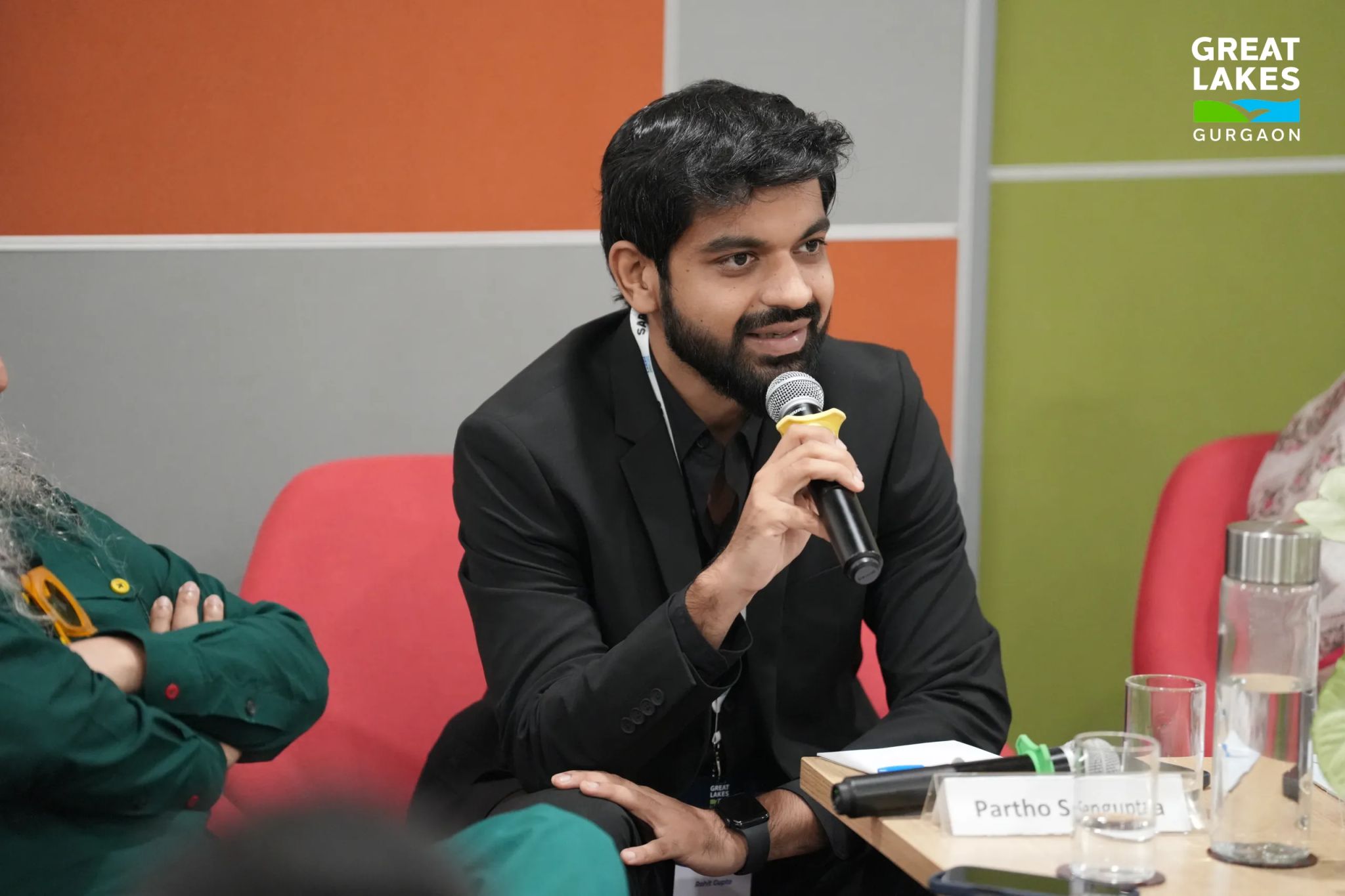
Rohit Gupta
CFO & Board Member, Warner Bros. Discovery
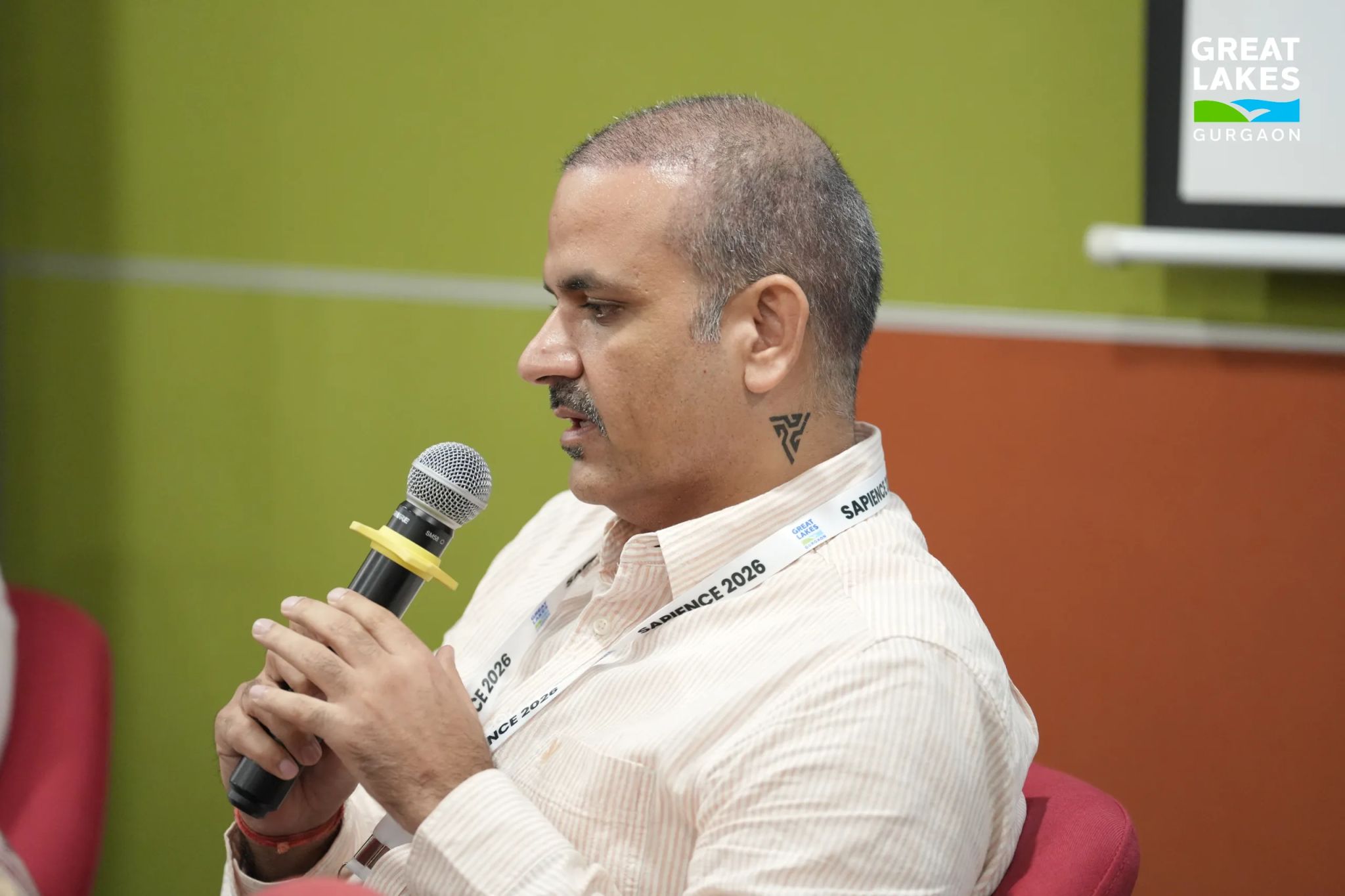
Vikas Kalra
Co-founder & CBO, Fitso
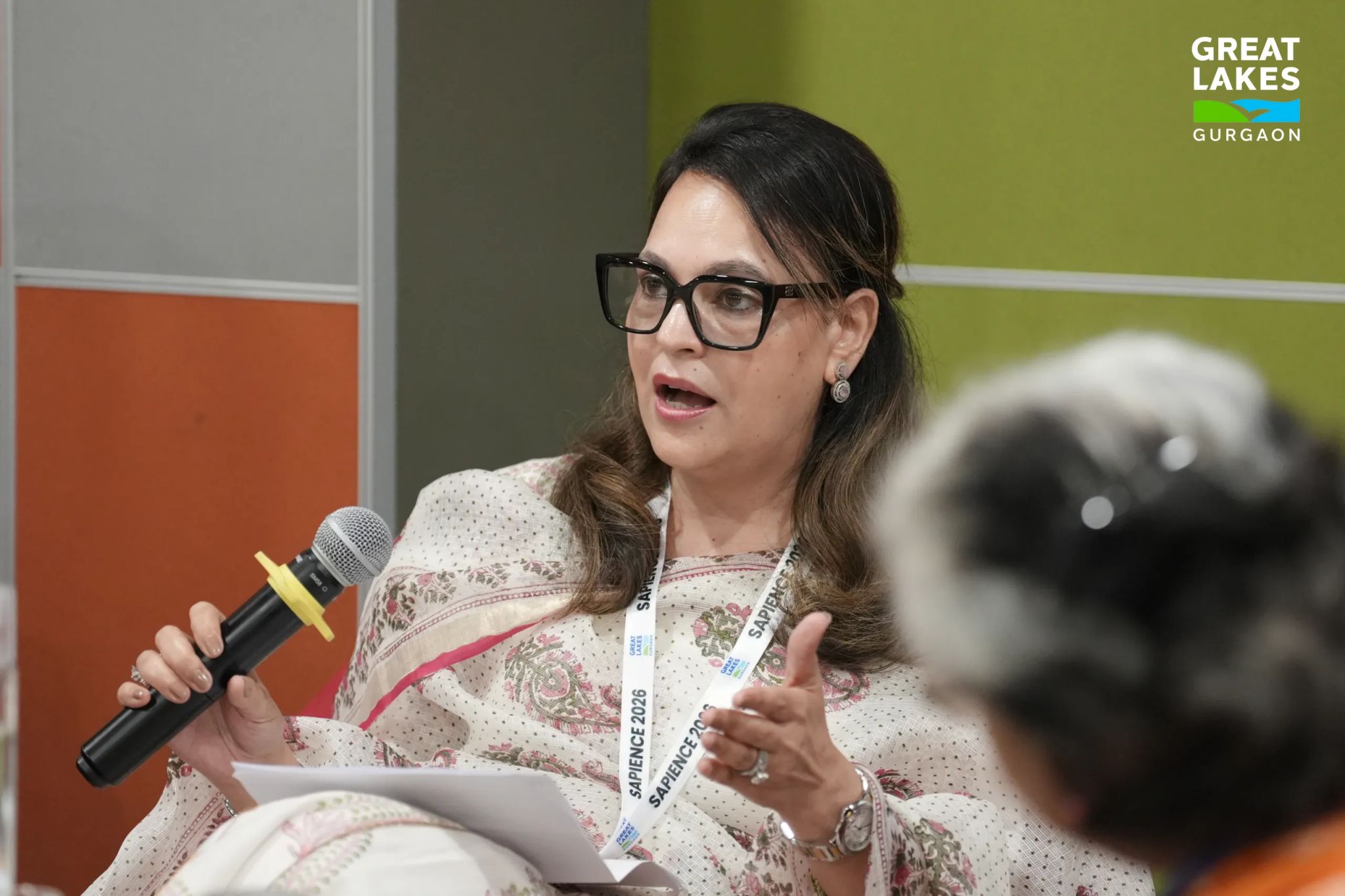
Gagan Jyot
Global Head & Sr. VP – HR, RMSI
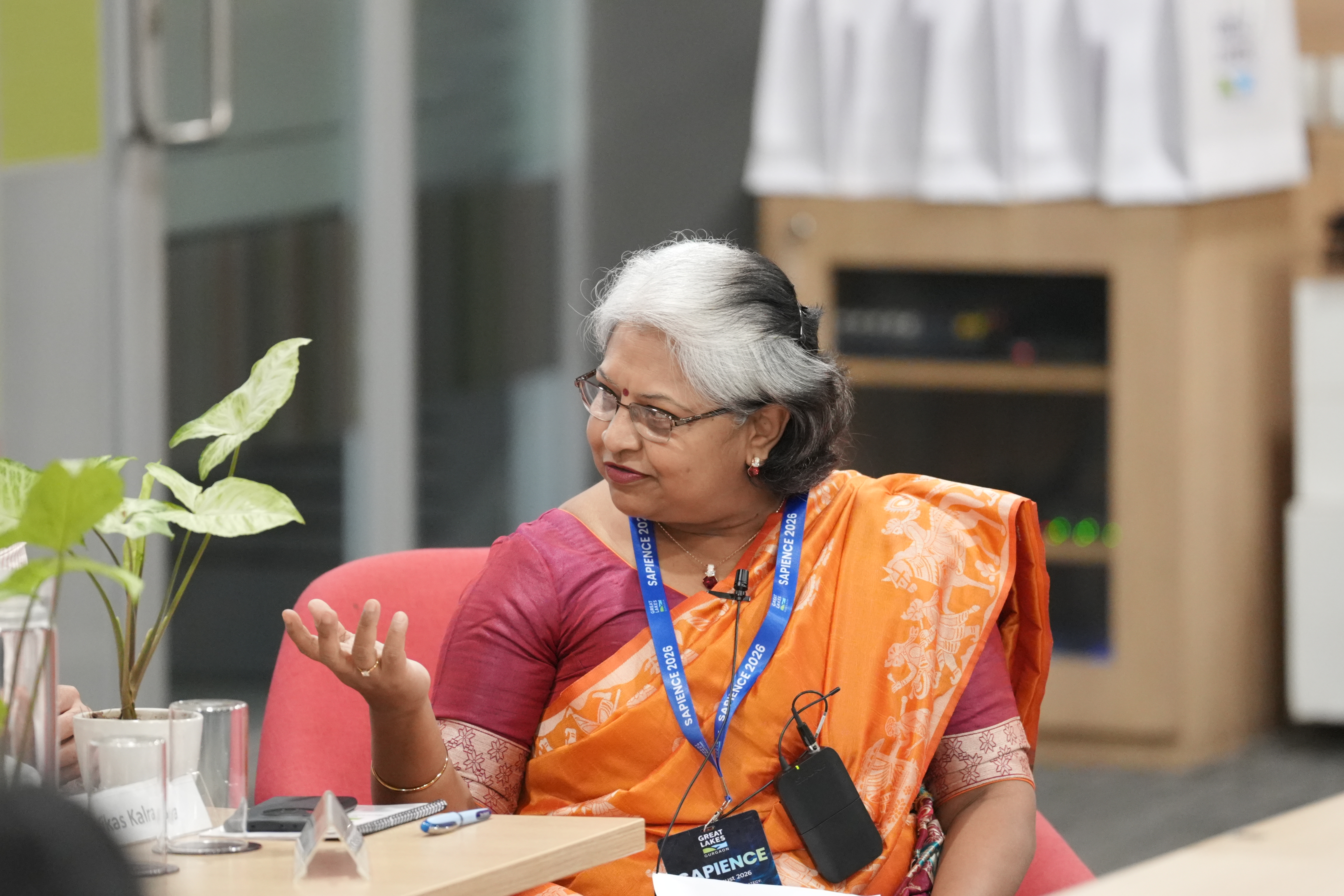
Dr. Sanghamitra Bhattacharyya
Professor, Great Lakes, Gurgaon
Key Insight: The discussion highlighted that AI and sustainability do not automatically go hand in hand. Organisations need to consciously balance the benefits of AI with its resource, infrastructure, and investment requirements.
Speakers explored AI's role in improving efficiency, measuring carbon impact, supporting sustainability goals, and transforming the workforce. The panel also emphasised that people remain central to both AI and sustainability, with organisations needing to invest in human capital, skills, values, and culture.
“AI can enhance human creativity, but it cannot replace human thinking and judgement.”
Across the keynotes and four panel discussions, one message remained consistent: AI is powerful, but the value it creates depends on how responsibly organisations use it.
Sapience 2026 highlighted the importance of questioning, validating, and contextualising AI outputs while keeping humans firmly in the loop. The future belongs not to organisations that simply use more AI, but to those that combine AI with human intelligence, strong governance, continuous learning, and purposeful decision-making.
Gallery